Friday, November 09, 2007

Celebrating Dr. Ambedkar in India and UK

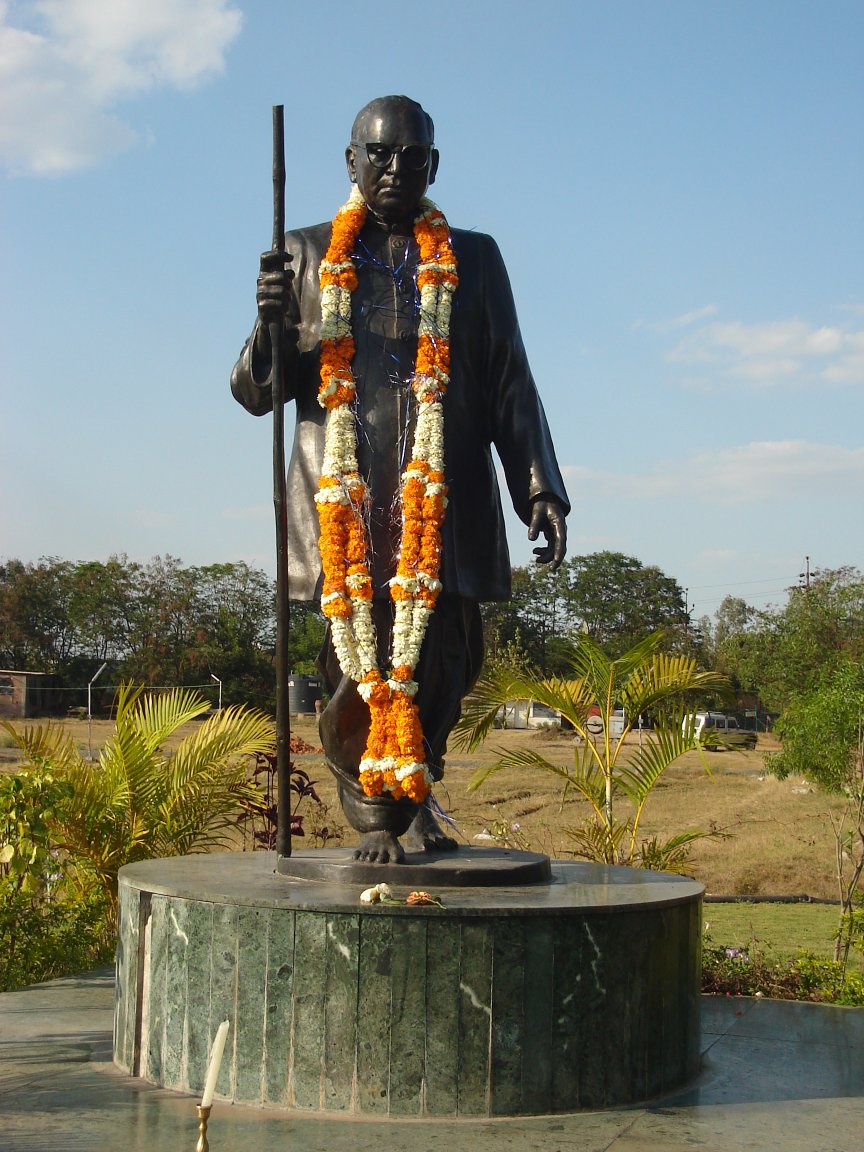
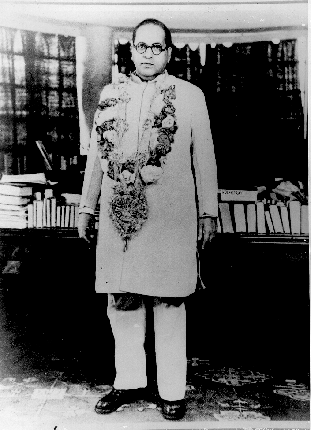
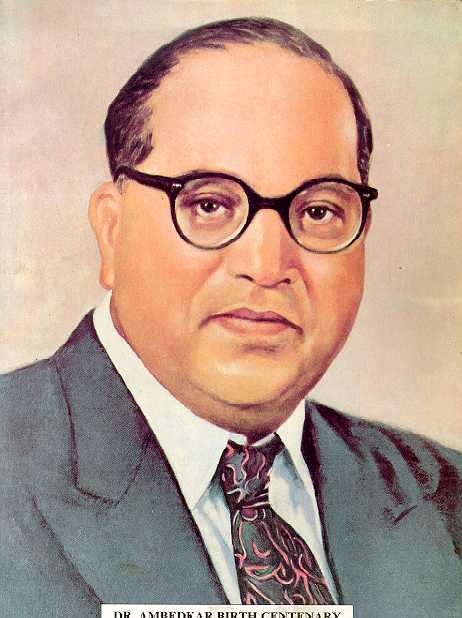
October 14th is the anniversary of the conversion to Buddhism of Dr. Ambedkar, and is a major event for all our centres in India. They celebrate his conversion to Buddhism in 1956, together with 400,000 of his followers, and his few short weeks as a Buddhist before his death on December 6th of that year. It is very much a bitter-sweet time for them.

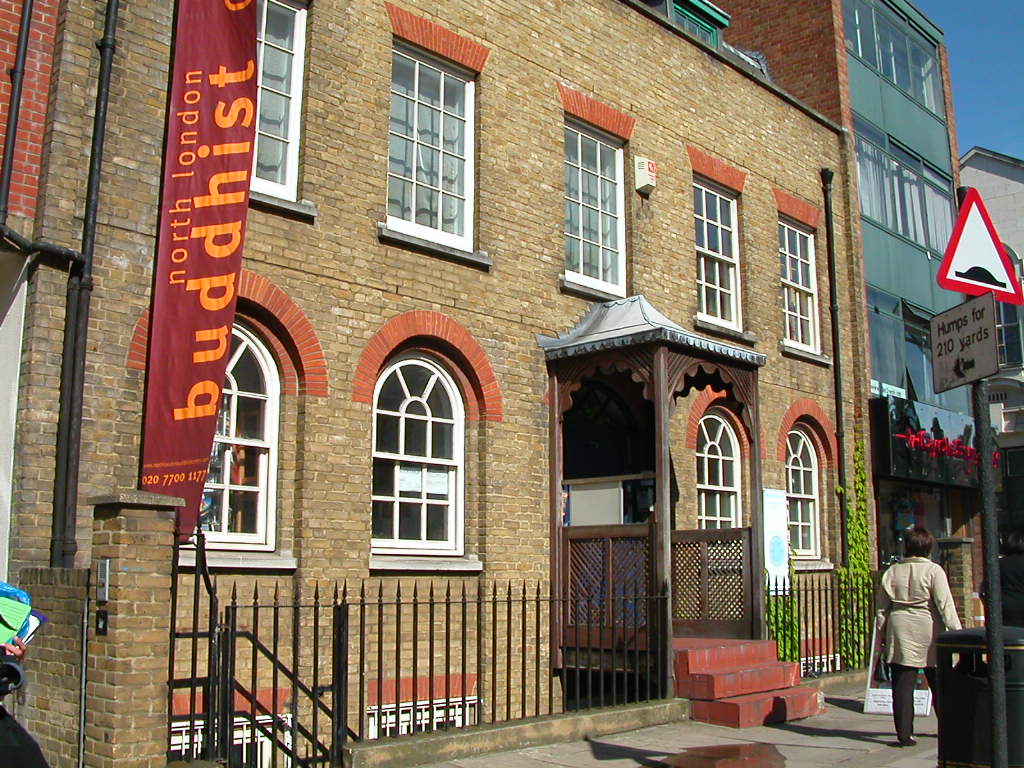
This year they were joined by the North London Buddhist Centre who hosted an 'Ambedkar Festival' which they hope may become an annual event. Entitled 'Celebrating the New Dawn of Indian Buddhism', the day set out to educate, inspire, and celebrate - and succeeded handsomely in all three. Some 200 people attended some or all of the day, and were treated to a programme of talks, a wide selection of workshops including practical information on how to get involved (both in the UK and in India), and to both Indian and Western music which went on into the evening.

Sangharakshita had been due to give the keynote speech but sadly had to cancel at the very last minute due to his poor health. Happily, due to the foresight of Saul Deason, the organiser, Lokabandhu was primed to step in, and among other things offered his reflection that the future of the new Buddhist movement in India was very much up to us, at least up to our generation, since the great leaders of the past were no longer with us - the Buddha, Ambedkar himself, and now Sangharakshita.

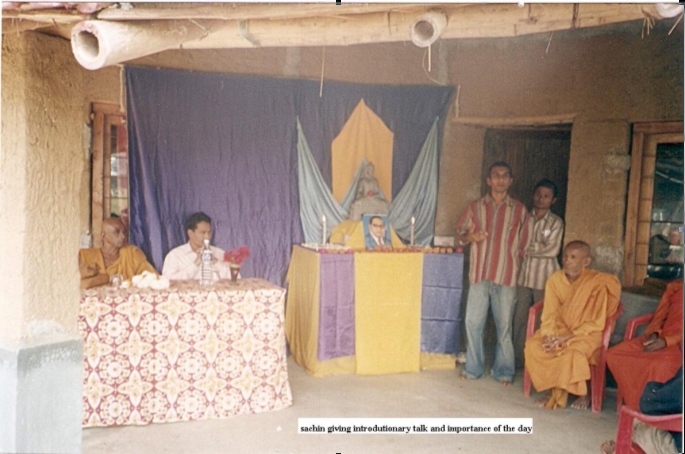
By coincidence, FWBO News came to know that at the same time, far away in Bodh Gaya, in the north-eastern Indian state of Bihar, the community living on FWBO/TBMSG's land there were conducting a small programme of their own in honour of Dr. Ambedkar, attended by some 50 local residents including Theravadin monks with whom they have become friendly. The programme took place in the earth-brick huts recently constructed by Nissoka, and was felt by those present to be a small but significant step in establishing ourselves on our land at Bodh Gaya. There are now some 10 mitras in and around Bodh Gaya.

Labels: , , ,

Wednesday, October 31, 2007

Nagpur celebrates the 51st anniversary of the conversions; Dhammakranti joins in

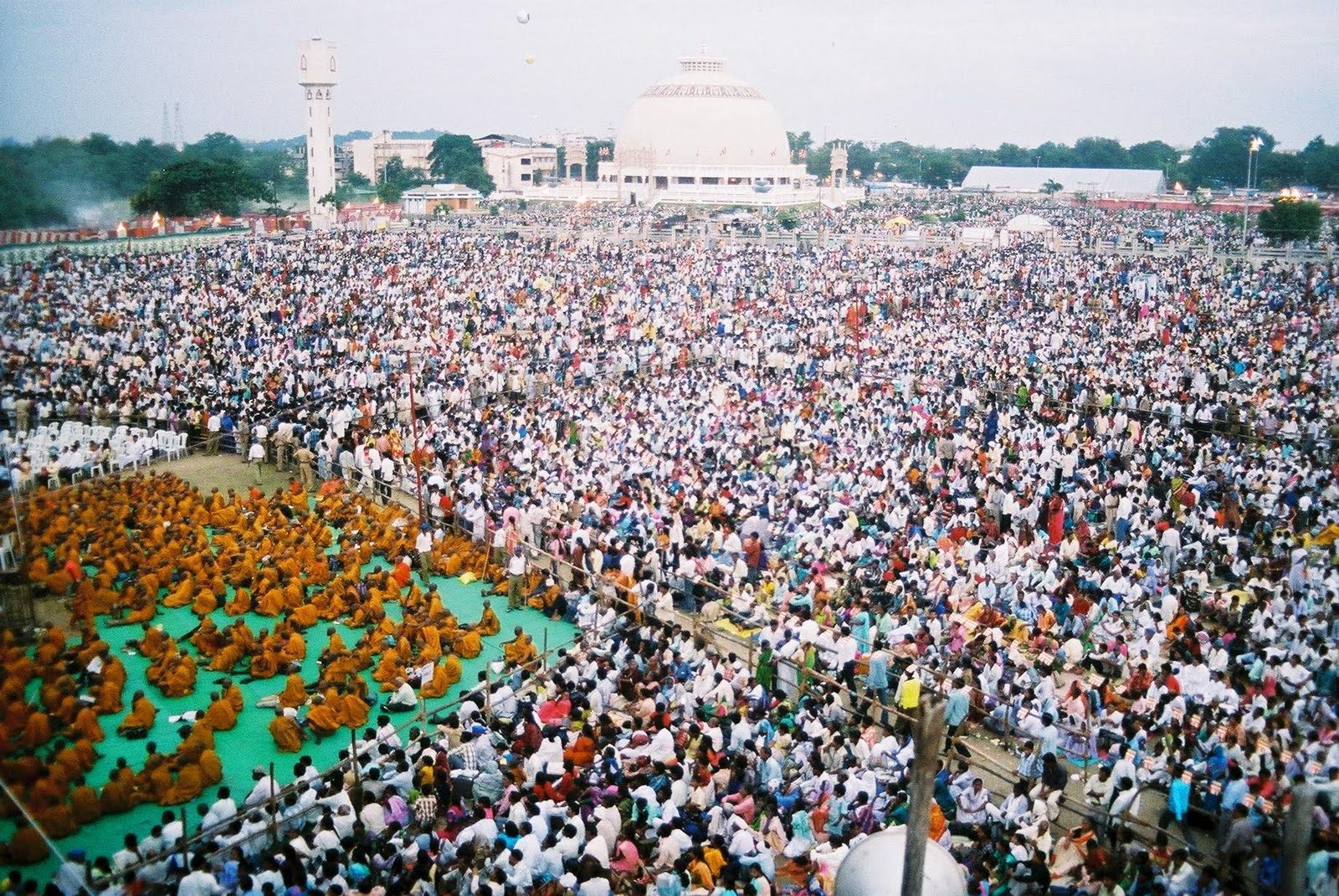
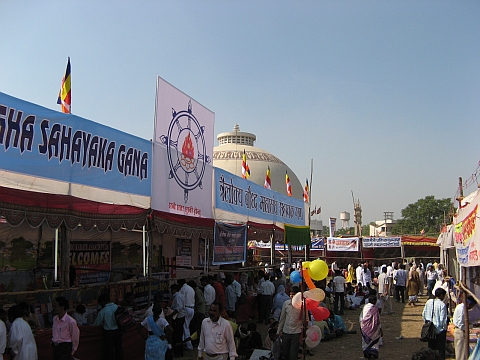
The Dhammakranti team recently took time out from working on preparations for their big retreat in Bodh Gaya to attend the annual celebrations in Nagpur of Dr. Ambedkar’s conversion to Buddhism in October 1956. This year was the 51st anniversary of the great conversion ceremony, and they organized the biggest stall ever to be seen at the Dikshabhumi (the ‘ground of conversion’) in Nagpur.

All the major TBMSG projects in Nagpur participated in the event – Dhammakranti itself, the Samata Mahila Society (a women’s project running a hostel for 80 girls as well as thirteen community centres in the Nagpur slums), Triratna Pustakalya (a TBMSG-run bookshop in central Nagpur), TBMSG Nagpur itself (general social and Dhamma work across Nagpur) and the Nagarjuna Training Institute (a major TBMSG teaching centre which runs year-long training courses for new Dhamma teachers from all over India on a beautiful campus on the outskirts of Nagpur).

Dhammakranti’s manager, Nagaketu, told FWBO News “Thousands of people visited the stall and purchased books on Buddhism and social change. We were also able to give information to thousands more on the coming International Dhammakranti retreat in Buddha Gaya and on the next training course on Buddhism and social work, which we are running at Nagaloka. This was the biggest stall organized by anybody ever in the history of the Dikshabhumi!”

Click here for further information on the Nagarjuna Training Institute.

Readers interested in the thought of Dr. Ambedkar are invited to read a selection of his quotations or his classic work, Annihilation of Caste. His Buddhist classic 'The Buddha and his Dhamma', published posthumously, is also available on-line.

Labels: , , , ,

Tuesday, October 02, 2007

Dr Ambedkar and the Jaibhim Community in Hungary

For some two years now there have been growing links between the FWBO and the Romany gypsies in Hungary. This began when they discovered Dr. Ambedkar and became inspired by him and his followers in India. Roma gypsies in Eastern Europe live lives of extreme poverty and discrimination similar to the conditions experienced by Indian Dalits about 75 years ago, indeed, they describe themselves as the ‘untouchables’ of Europe. They realised Dr Ambedkar’s ‘Dhamma Revolution’(in which in 1956 millions of his followers renounced the Hindu social order based on caste discrimination and inequality and became Buddhist) was relevant to them too.

By the time they contacted the FWBO they had already opened the Little Tiger Grammar School in Alsoszentmarton in south Hungary. The name comes indirectly from Dr. Ambedkar, who referred to education as ‘tiger’s milk’. More than that, they realised Buddhist ethical practice helped to develop confidence and self-respect, and that Buddhist conversion opened the door to social, economic, and personal development - thus, that Buddhism could be directly relevant to their problems. In addition to their feeling for Dr. Ambedkar, East European Roma/Gypsies are deeply conscious of their roots in India and many identify strongly with what happens there.

Since the initial contact there have been several exchange visits to Hungary, mostly by students of the Dharmapala College, Birmingham. Mostly recently Manidhamma, an Indian Order Member, visited, together with Ashwin Gunaratna, an Indian mitra from Nagpur. Reports of some of thier previous visits can be found on the Dharmadhuta blog.

One of the important events during this visit was the formation of the Jaibhim Community. This is an initiative by Janos Orsos and Derdak Tibor, two mitras from the gypsy community (there are now four in total). It will provide the organisational framework for Buddhist activities and the communication of Dr Ambedkar’s vision in Hungary. The Jaibhim Community is linked to the FWBO/TBMSG and has adopted a modified version of Ambedkar’s 22 Vows in its constitution. These are, in essence, a set of vows to practice Buddhism, to spread Dr Ambedkar’s message and to reconstruct society to one based on Liberty, Equality and Fraternity. Manidhamma and Janos together collected the registration document from the Charity Commissions’ office in Pecs. The website contains several videos of their activities and Dalit programs in India – even a ‘Jai Bhim’ ringtone!

Manidhamma and Ashwin were able to visit the Little Tiger School and meet students and staff. Manidhamma gave a talk on Dr Ambedkar’s emphasis on self-help and his threefold injunction to his followers to ‘Educate, Agitate, and Organise’. The school is very successful and has been taken as a model by the Hungarian government. A new similar school is being set up in northern Hungary at Tomor in association with the ‘Bhim Rao Association’.

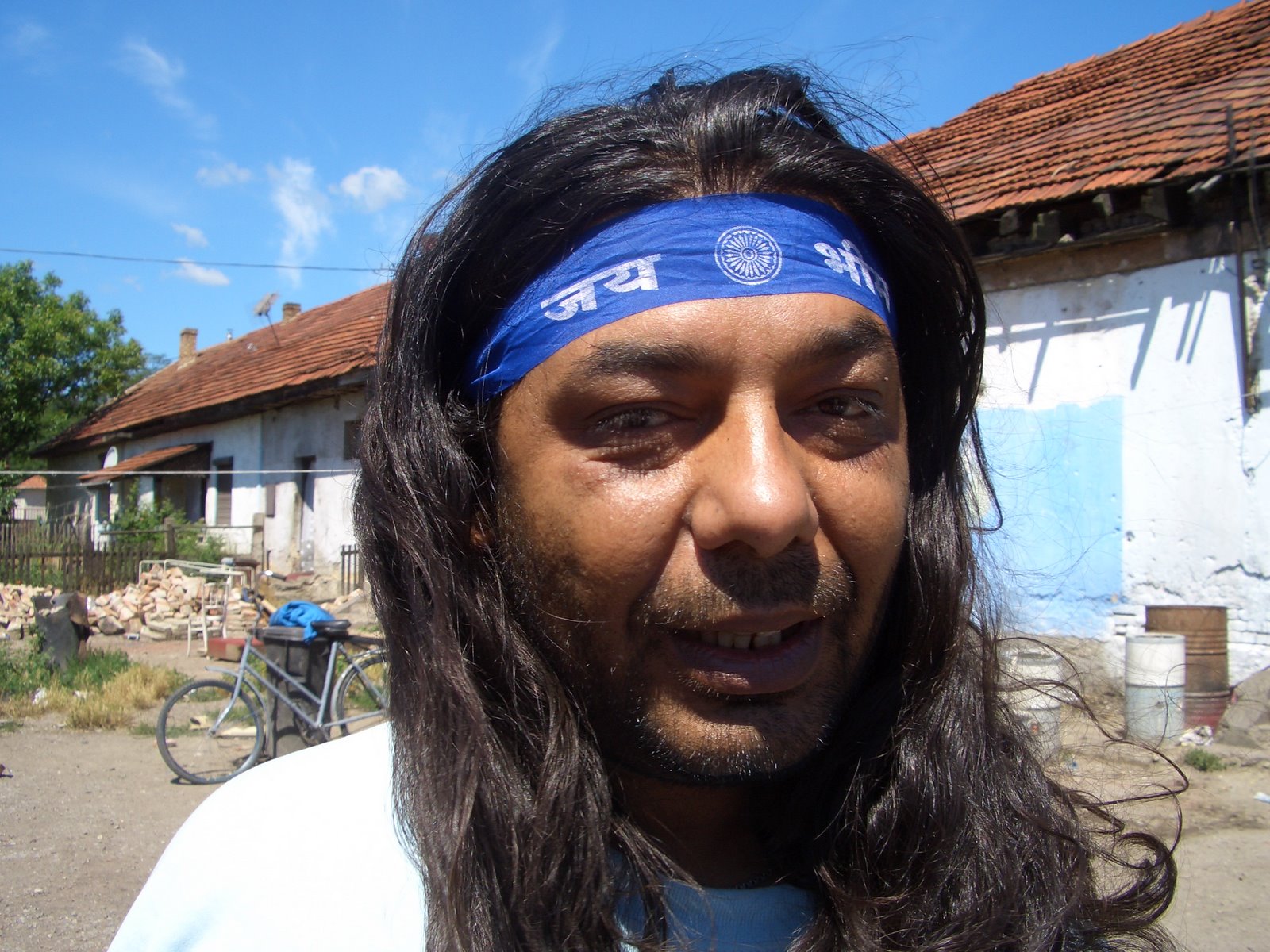
Manidhamma also led a 3-day retreat at Uszo, a beautiful place in North Hungary, which 30 young men and women attended from different parts of Hungary. There were talks about Dr Ambedkar, Buddhism in India, meditation and discussion about the five precepts and vegetarianism. Ashwin and Manidhamma cooked delicious Indian vegetarian food and distributed gifts - Dr Ambedkar’s photos, books, CDs, Indian saris, dhotis and cloths, Buddhist images, ‘Jai Bhim’ head-bands (as seen in the photo), necklaces, lockets, rosaries and vegetarian food-spices and sweets. They travelled visiting Romas/Gypsies in Budapest, Pecs, Komlo, Baksa, Manfa, Hidas, Harkany, Sayokaza and Ozd. The response was warm and welcoming and our connection with them seems set to grow.

We are currently looking for English teachers able to go to Hungary and teach English to the gypsy community for four or five months at a time, if anyone is interested please contact
  • email:news@fwbo-news.org

    Labels: , ,

  • Thursday, July 12, 2007

    Jambudvipa team visits America

    Jambudvipa is an FWBO/TBMSG project based in Pune, India, which - among other things - aims to internationalise the plight of India's vast ex-untouchable 'Dalit' community, from which come most of India's new Buddhists. Besides this they play a crucial role in disaster relief work with this community (see for example the report on their work after the Tsunami) - at such times India's age-old caste system rears its head with full force.

    Mangesh Dahiwale, Jambudvipa's publicity officer, recently sent us this report on their recent - and ground-breaking - trip to the USA:

    "As a part of Jambudvipa's vision to reach out to the world community and transcend barriers, and to generate international support for peaceful social revolution that Dr. Ambedkar launched, a visit to US was planned.

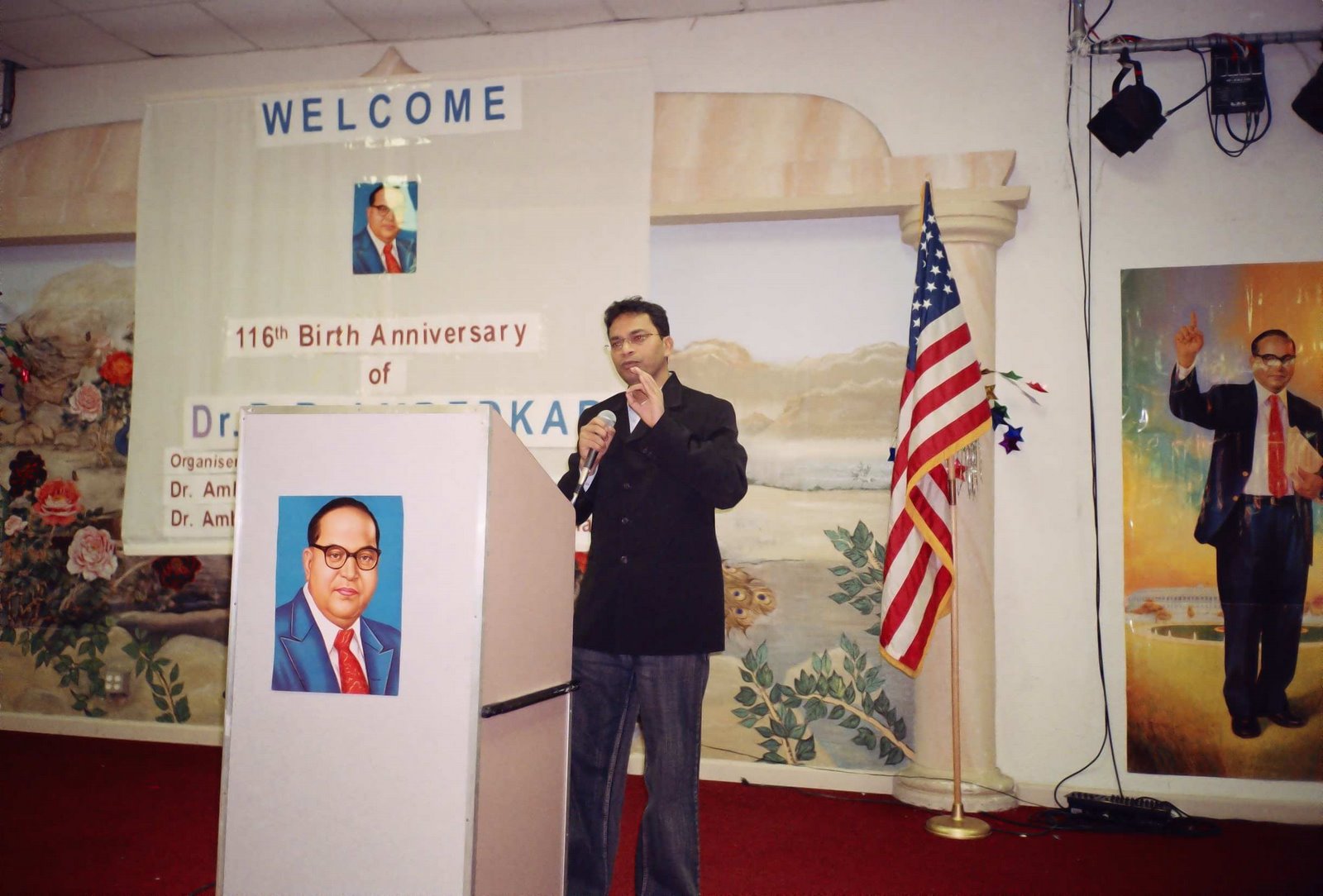
    "Maitreyanath and Mangesh Dahiwale visited US during April 19-May 28, 2007. In the span of over 35 days, they moved from one city to another to give talks on evils of caste system in India, Dr. Ambedkar, revival of Buddhism in India and work of TBMSG. This visit was aimed at dissemination of information, raise support for the revival of Buddhism in India and develop alliances.

    "During this visit, people from all different background co-operated, which included followers of Dr. Ambedkar living in US, social activists, academicians, black activists and Order Members of FWBO/TBMSG."

    In the short time they were there they managed to meet a remarkable range of individuals and groups - from Tricycle Buddhist magazine and the Buddhist Peace Fellowship to the US State Department and five different universities and colleges, plus of course several FWBO centres, criss-crossing the country beween San Francisco, Los Angeles, New York, Cincinnati, San Diego, Washington, Indianapolis and elsewhere.

    There are encouraging signs that caste prejudice and discrimination is increasingly being seen internationally not simply as an Indian social issue but a gross violation of human rights - see, for instance, recent references to this both in the UK's House of Commons and House of Lords where the UK Government minister is quoted as saying "My Lords, I agree with the noble Lord and with the Prime Minister of India —[Untouchability] is indeed a blot on humanity. Discrimination on the basis of caste identity constrains the human rights, livelihoods and life chances of millions of men, women and children. It is a systematic injustice and a routine violation of the most basic human rights..."

    We are proud that the FWBO and TBMSG is able to play a part in making this more widely known and indeed in eradicating it.

    Labels: , , , , ,

    Thursday, June 07, 2007

    Dalai Lama invites TBMSG, workshop held introducing Tibetan community to needs of new Buddhists in India

    Following on from our report on TBMSG's Delhi seminar, Lokamitra sends us this account of a potentially very significant meeting with senior Tibetan Buddhists in Dharamsala, North India.

    This year is the 50th anniversary of Dr. Ambedkar’s conversion to Buddhism. In recent years the momentum of conversions to Buddhism from the Scheduled Caste communities (as well as other communities) has been increasing, and this year is doing so even faster. Millions of people throughout India have become Buddhist but very few have access to effective teaching. If they do not get guidance in Buddhism they will either develop very strange forms of Buddhism or they will return to Hinduism and their place at the bottom of the Hindu social order. Whatever the case, the conversion to Buddhism will have resulted in no individual or social change. TBMSG has been working in this situation for 29 years. We are doing what we can through training and through lecture tours and retreats throughout India, but the more we do the more we realise immensity of the task. We cannot do it all ourselves. We have to encourage other Buddhists to help. We can offer them our experience.

    In 2005 the Dalai Lama visited Nagaloka and expressed his desire to help with our work. Encouraged by this Subhuti and I visited Dharamsala in October 2006 along with a good friend, Naresh Mathur, who is a member of the Dalai Lama’s trust. We had extremely satisfactory meetings with Ven Lhakdor (head of the Library and Archives), Samdhong Rimpoche (the Kalon Tripa or Prime Minister of the Tibetan government in exile) and Tenzin Geche (the Dalai Lama’s secretary), all of whom encouraged us to run workshops for Tibetan monks to educate them about Dr. Ambedkar and his Buddhist followers in India.

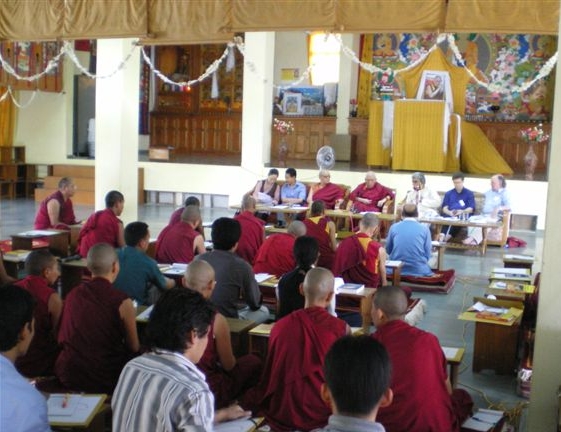
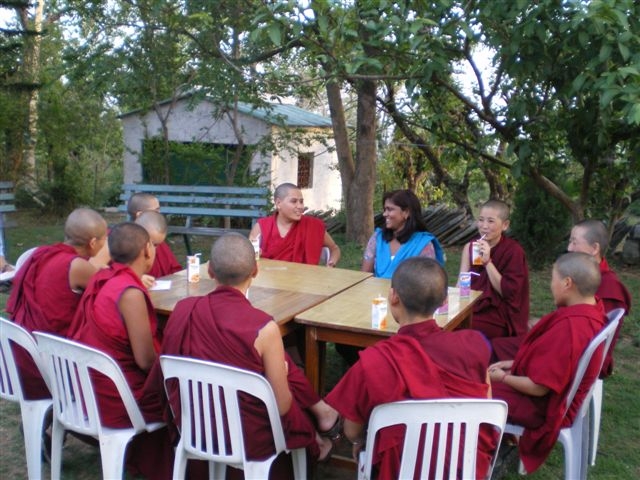
    From 19th until 21st May in Dharamsala we did exactly that. We were assisted by Suvajra, Vivekaratna, Ojogeeta, Yashosagar and Kumarajiv. There were about 35 monks, nuns and lay people, mainly if not all from the Gelugpa tradition, some extremely well studied. In his introduction Samdhong Rimpoche emphasised that the Dalai Lama had himself asked that this workshop to take place.

    The workshop consisted of a combination of presentations, question and answer sessions and group work. All went very well, but the group work seemed particularly effective. Thinking that most participants would be monks we only took one Dharmacharini with us. This was a great mistake. Almost half the participants were nuns, and Ojogeeta was much in demand.

    The workshop gave the participants a broad understanding of the social and cultural situation (particularly caste and untouchability), Dr Ambedkar's life and achievement, and his understanding of Buddhism, and especially its social significance. It helped them understand the Dharmic needs of the new Buddhists, and the possible difficulties, notable among which was the question of karma. There was a great deal of interest in the FWBO/TBMSG. I am sure that the workshop will bear fruit in several ways, most importantly in bringing about more interest in and support for the Buddhist followers of Dr. Ambedkar in India.

    Labels: , , , ,

    Thursday, December 07, 2006

    50th anniversary of Dr. Ambedkars death - a million gather in Mumbai

    Yesterday December 6th saw the 50th anniversary of the death of Dr. Ambedkar. Estimates vary, but up to 1.5 million people are reported to have gathered at his stupa in Mumbai. This is always a sad date for his followers, coming as it does a tragically short six weeks after his conversion. In Mumbai the anniversary passed off very peacefully despite considerable anxiety – in recent months Maharastra has been rocked by Dalit riots sparked off by inter-caste atrocities and especially the lack of response to them by the authorities. These are a testament to the struggles still facing his people, 50 years on. For an indian analysis of the situation, see the recent article in ‘The Hindu’ – ‘Why are Maharashtra’s Dalits so angry?’.

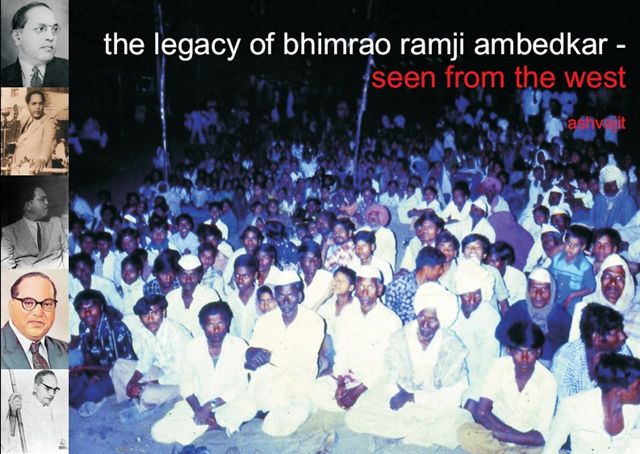
    The 50th anniversary coincided with the publication of a new book commemorating Ambedkar, privately published by Ashvajit in Birmingham – ‘The legacy of Ambedkar – seen from the West’. Fittingly, it was printed by TBMSG members in India, and despite some delays (caused in part by the riots already mentioned) first copies have been reported arriving at FWBO centres around the world.

    Meanwhile, the Dhammakranti project continues its country-wide three-month tour , aiming to reach out to as many people as humanly possible during the anniversary period. At present they are on the first-ever Dhamma tour of South India (Tamil Nadu and Kerala), they will end with a ‘Buddhist Youth Conference’ at Bor Dharan, our retreat near Nagpur.

    Labels: , , ,