Wednesday, May 28, 2008

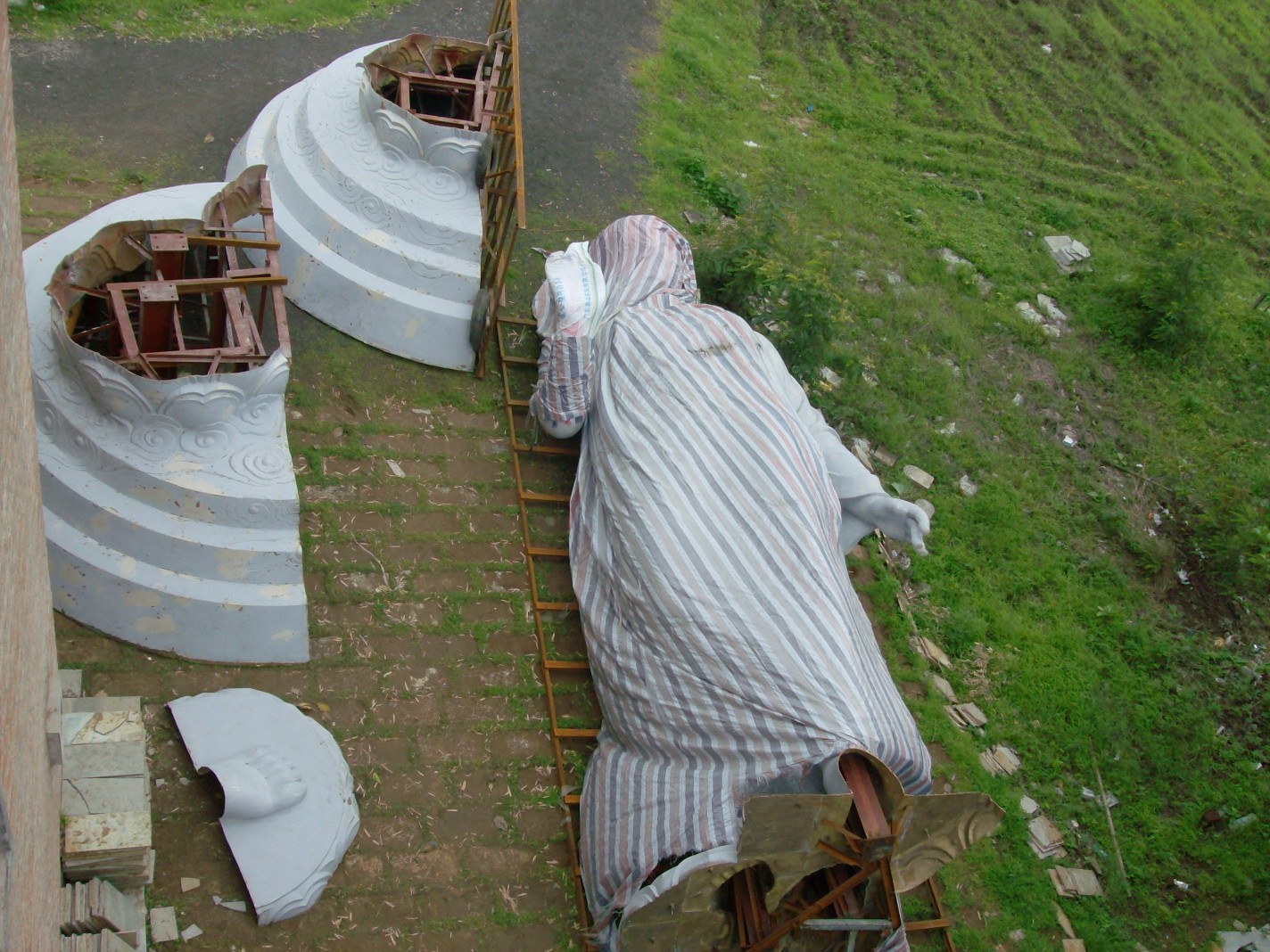
Buddha statue for Nagaloka nears completion

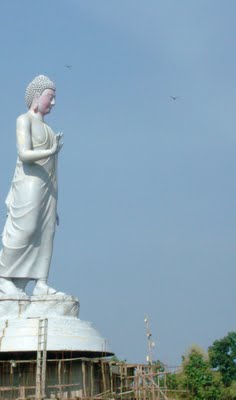
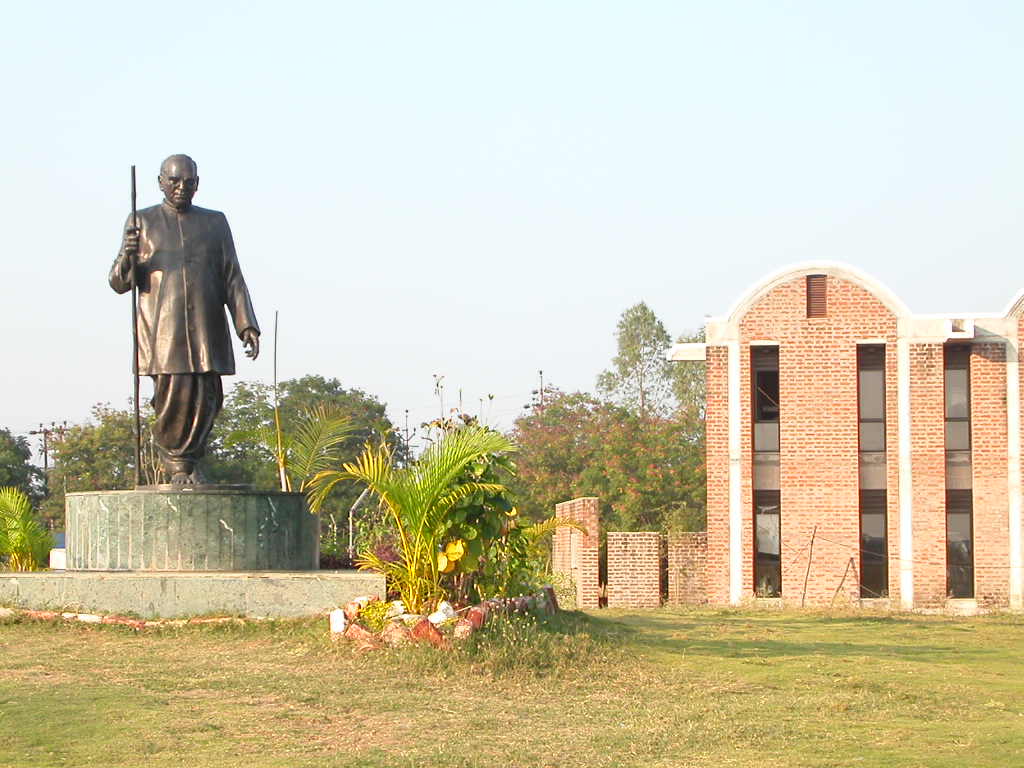
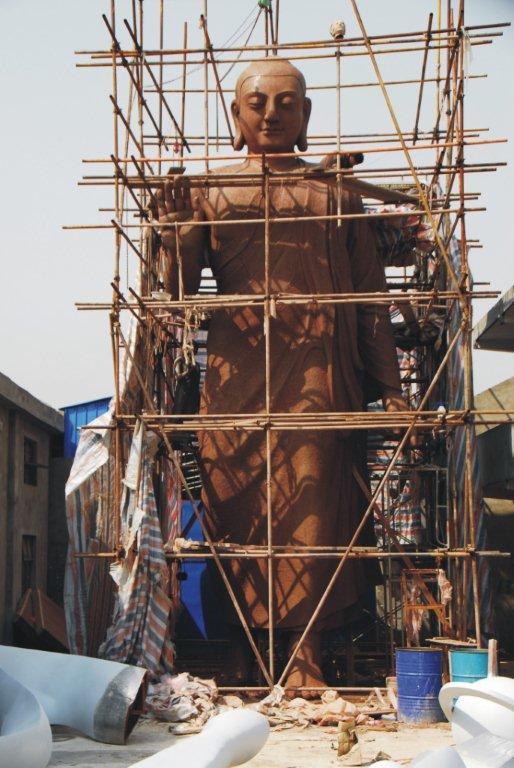
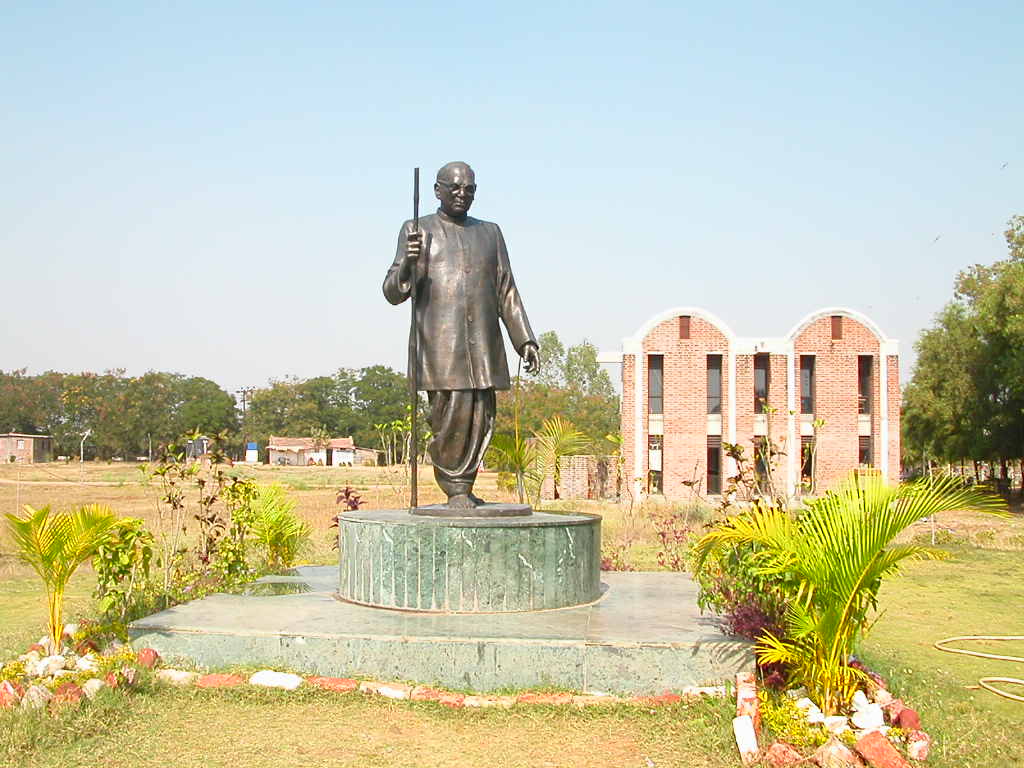
Last year FWBO News reported TBMSG’s Nagarjuna Training Institute in Nagpur, India, had decided to commission and install a giant walking Buddha figure as centrepiece for the 15-acre site. At the time the completion date was announced as being December 2007 ; this has, perhaps not surprisingly, been delayed. However work on the statue has been proceeding steadily and we are pleased to bring you this photograph showing it nearing completion. An idea of the scale can be seen from the man working on the statue’s shoulder, also from the two-storey buildings that surround it…!

Unveiling is now scheduled for February 2009, which will be shortly before the WBO’s International Order Convention, which next year is being held in India – in fact in Bodh Gaya itself.

The statue is being created by Wen Kwei, one of Taiwan's leading Buddhist sculptors. He is famous for an equally large ten-headed Samantabhadra. Wen Kwei is also managing the difficult process of transportation and erection of the statue, and even some of the fundraising, which is all being done in Taiwan. Vivekaratna, chairman of NTI, told FWBO & TBMSG News that Wen Kwei has said he wants this to be the best of all his works, and famous throughout the world.

Labels: , ,

Thursday, March 06, 2008

Dispatch from Nagpur

FWBO News is happy to present the second dispatch from Saul Deason, a mitra from the FWBO's North London Centre, presently in India for an extended period with two projects teaching English. The first instalment saw him in Delhi with the Amida Trust, this comes from Nagpur and the many TBMSG projects there.

"Arriving by train at Nagpur I hit a seedy hotel mattress and stay on it three days recuperating. This is the lowest point: I begin to think I’ll give up and go home. At that instant things begin to happen. I am visited by two Indian Order Members and re-accommodated at Nagaloka, the out of town Buddhist training centre. I lay on another bed surrounded by a sea of Hindi voices. I venture out at what I think is mealtime and eat incredibly monastic food.

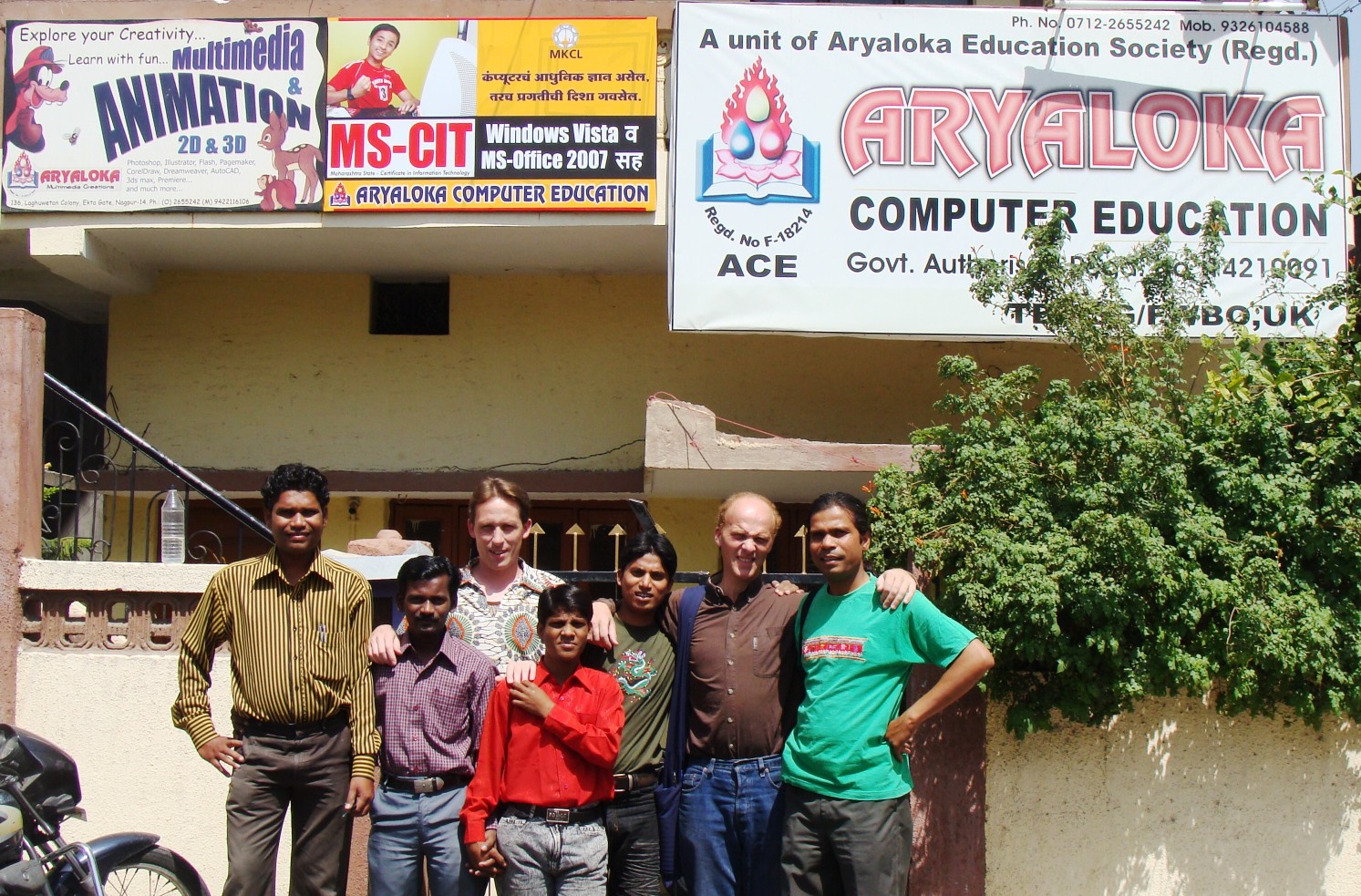
"Reflecting on the finiteness of my energies I start to work. Three days teacher training at Mitraloka, TBMSG’s language school in the city centre, goes well. I start speaking classes for advanced students at Aryaloka, a computer training centre also run by the TBMSG. Finally I start teaching speaking skills for basic level Dhamma trainees at Nagaloka. The enthusiasm of the learners is so great that I find myself forgetting my afflictions and work becomes an antidote to my sickness.

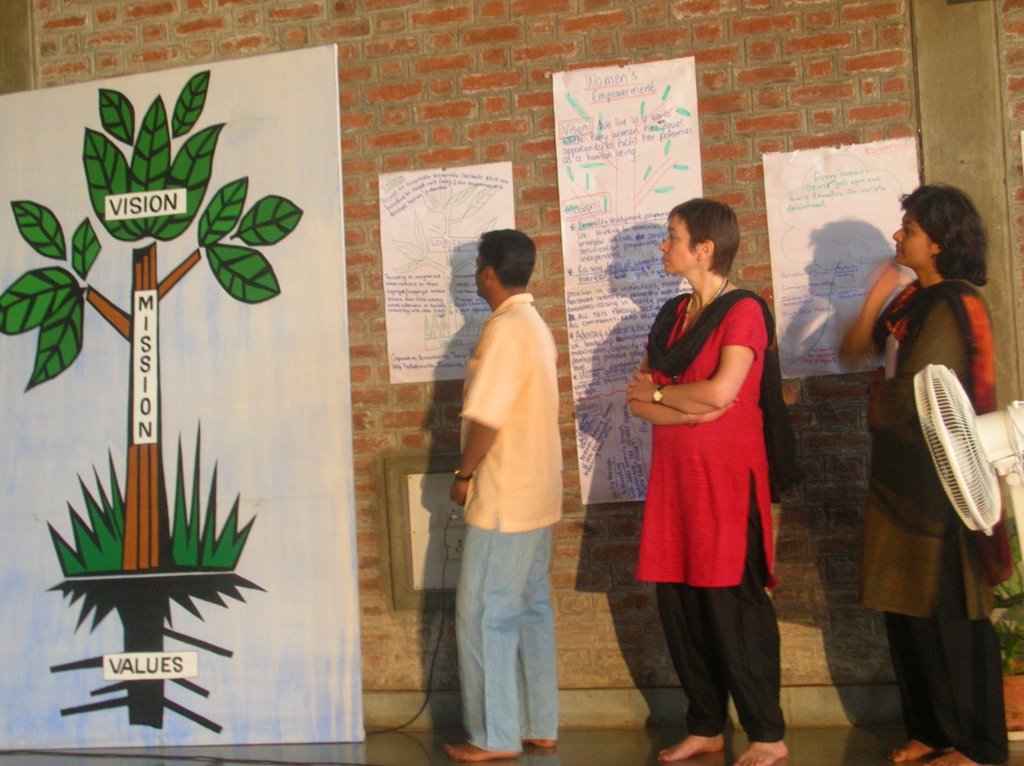
"Countless communication breakdowns at Nagaloka help me map out learner needs for speaking skills. I begin to get a fumbling cognizance of cultural sensitivities. Slowly my teaching strategies begin to become more cogent. In the Aryaloka class – in an all-Buddhist part of town - it goes from strength to strength. We start discussing personal development issues –how to meditate, how to kill fear - only to grind to an apathetic halt when we discuss political issues. At Nagaloka the programme is a more basic one for learners with less English: shopping, booking a rail ticket, describing a friend so somebody can meet them at a station, answering questions at job interviews, talking about qualifications and experience... Things threaten to break down under a vocabulary overload so I switch to carrying out numeracy operations (plus, minus, times, into, equals) with students going up to the board and calculating out loud (so their numeracy improves even if their English doesn’t!) Trying to break down boredom I get the karate experts showing basic blocks, kicks and punches at the front of the classroom. We even get round to doing Black nationalist poetry: “Play it cool and dig all jive”. After class trainees taunt another trainee for liking Kung Fu movies which are hardly non-violent, “I just dig Jackie Chan!” he exclaims. I begin to feel I’m getting somewhere.

"There are features of Hindi discourse that I know I haven’t mastered although I teach the functions of insisting, refusing, expressing failure to understand, requesting clarification. Many Indians were taught in English so they often have considerable passive knowledge of English but they all, basic or advanced, have an enormous need for actual speaking practice. I often meet someone who ploughs through a Sangharakshita text but does not understand elementary English requests and cannot tell when he is being told “No!” It strikes me that the more advanced the student the greater the scope for self delusion!

At dawn I walk towards the meditation shrine into the rising sun. In the evening a motorbike picks me up and takes me into town. We drive into the setting sun. My life is both monastic and worldly. From Amida’s Delhi Project the advice of Sahishnu echoes in my mind, “if you are not careful you’ll end up teaching advanced English to middle class students who can afford tuition anyway.” I turn my back on my classes and do walking and chanting invoking Vajrasattva to cleanse me of egotistical motives. I resolve to check out the classes being taught in the slum districts of Nagpur. I reflect on the prospect of recruiting English teachers and have them stay at Nagaloka before sending them on outreach classes that don’t burn them out as I had done in Delhi. Foreign funding flows into bricks and mortar but not into staffing so we’d have to train locals to help us run the outreach classes. The Ambedkar movement needs new initiatives and younger leaders say my students but how do we do that when we fail to educate the coming generation? I plant my meditation cushion on the shrine room floor and admit to myself that I just don’t know".

You can find a full introduction and background to Nagaloka and many of TBMSG's projects on TBMSG's Jambudvipa website.

Labels: , , ,

Wednesday, January 16, 2008

Impressions from India – the second National Buddhist Youth Conference

Ann Dennehy is a mitra and English teacher from the FWBO’s San Francisco Buddhist Center. She sends us this report from India -

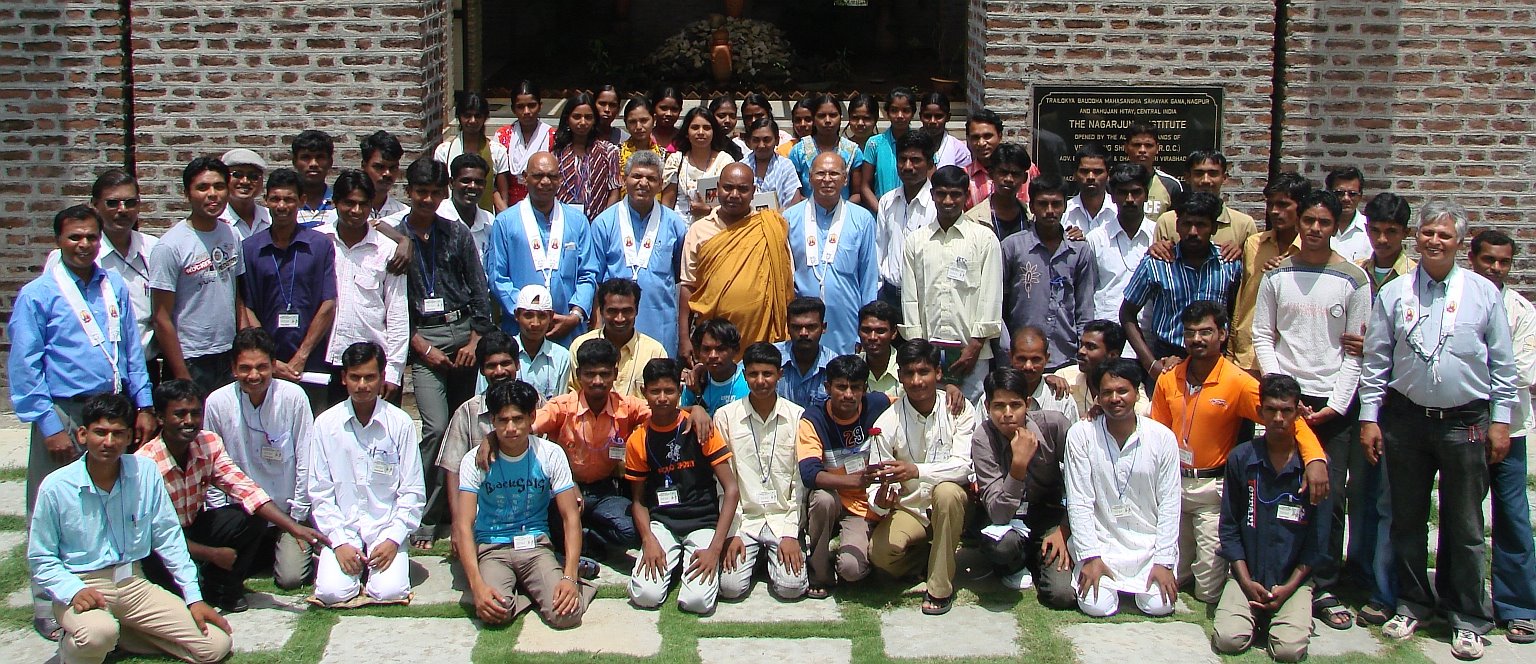
In December 2007 the National Network of Buddhist Youth (NNBY) held its second annual conference at TBMSG’s Bor Dharan retreat center, just outside Nagpur in central India. It was a gathering of the next generation of Buddhists from all over India, and was entirely student-led and organized, with just a little help from my friend, Dhammachari Kumarjeev, a leader of the TBMSG’s Dhammakranti project. 130 people attended the first conference in 2006, and this year there were 600 people. Next year they hope for even more! I was invited by Kumarjeev to attend as part of a team of 5 trainers to work alongside him, Subhuti, and a team of student leaders.

Each day consisted of meditation, dharma talks, various sessions (or "offerings" as we called them), pujas, and oh yes, delicious Indian food. Since I teach English I was there to offer English; basic conversation practice, grammar review, pronunciation improvement. I also met spontaneously with students one-on-one and in small groups as they approached me, offering specific language advice and encouragement. The other trainers offered sessions in NVC, drama, team-building games, aikido, study skills, time management, and many other activities.

As I spoke with students throughout the week I asked what they were enjoying - they spoke of the friendships they were making, how much they enjoyed Subhuti’s playfulness and his serious commitment to the legacy of Dr. Ambedkar and abolishing casteism in India, and all the practical skills they were learning from the different sessions. Some told me how they struggled with self-confidence, others how much their self-confidence has grown since last year's conference. I was very impressed by their sensitivity, their emotional clarity, and their honesty. In my sessions I noticed how eager students were both to learn and to play, how direct they were in asking for what they did and did not want from our time together, how supportive they were of one another's learning, and how rapidly they were able to absorb and apply new information. It was the most fun I have had in my 17 years of English teaching.

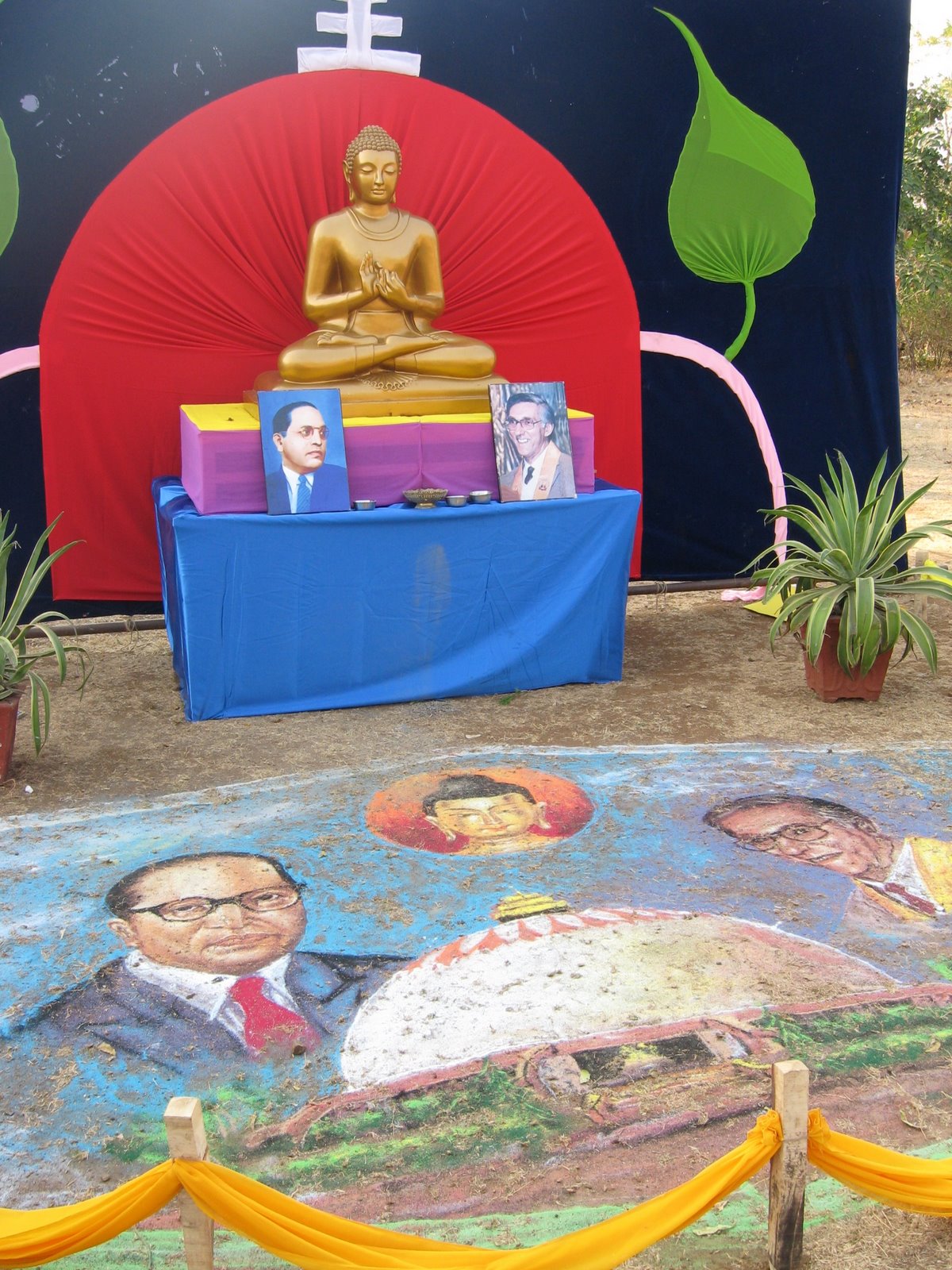
On the retreat myself I had good company in my roommate Sucitta and we fell asleep each night talking of India, and woke up giggling. I enjoyed so much my own deepening friendship with Kumarjeev and his family, the other trainers, the Indian Order Members, the student leaders, and the many many students I met during the week. I was in awe of Subhuti's clarity in teaching the dharma, in explaining the legacy of Dr. Ambedkar, and conveying the urgency of abolishing casteism once and for all in India. The students were completely engaged as he spoke, scribbling in their notebooks, laughing at his Bollywood filmstar references, following his chanting with vigour. I was enchanted watching the kitchen staff prepare lunch; the men stirring enormous pots of rice and vegetables, the women making chapattis for hours. I had fun dancing bhangra in the girls' dorm, polishing our nails, and painting our hands with henna. I was impressed by the concentration and mobile phone coordination of the student team and the way they built an extra dorm on site to house an unexpected 50 participants who arrived in the middle of the night. I was captivated by the art offerings that appeared each day; a multi-colored sand painting on the floor of the stupa of the Buddha, a detailed pencil drawing of Dr. Ambedkar, a relief made of mud, outdoor shrines that changed nightly.

I learned so much myself of Dr. Ambedkar's historic conversion 50 years ago, his commitment to ending the horrific caste system in Independent India, his devotion to his ideals of Liberty, Equality and Fraternity, and his inspiration from the Buddha. All the Indians present, the majority of whom were Dalits and from the community once labelled "untouchable", have known the oppression of the caste system personally, and expressed such heartfelt appreciation for Dr. Ambedkar – yet seemed so optimistic, so joyful, so motivated by his example. Understanding the impact of Dr. Ambedkar is essential in understanding Buddhism and the TBMSG in India, and hence to what unifies our world-wide movement. I left the retreat wondering how I might share his legacy with the North American sangha.

I have never before received such gracious hospitality as I did on this retreat – it was continuous, from the red rose at the welcome ceremony, to the smiles and tiny flower buds offered throughout each day, to the songs, poems and garland at the New Year's puja on our last night, where about 50 people became mitras, and we all threw flower petals at midnight. It was all so gorgeous! The whole week was such an inspiration. I left feeling deeply moved by the spirit, creativity, and love of all the young people I met. They are so radiant, so dynamic, so energetic that I imagine them as beams of light shining out all across India, illuminating their own studies, illuminating their families, their peer groups, illuminating their sanghas, illuminating their entire community.

Jai Bhim!

Labels: , , , ,

Wednesday, December 05, 2007

News from the frontline – in India…

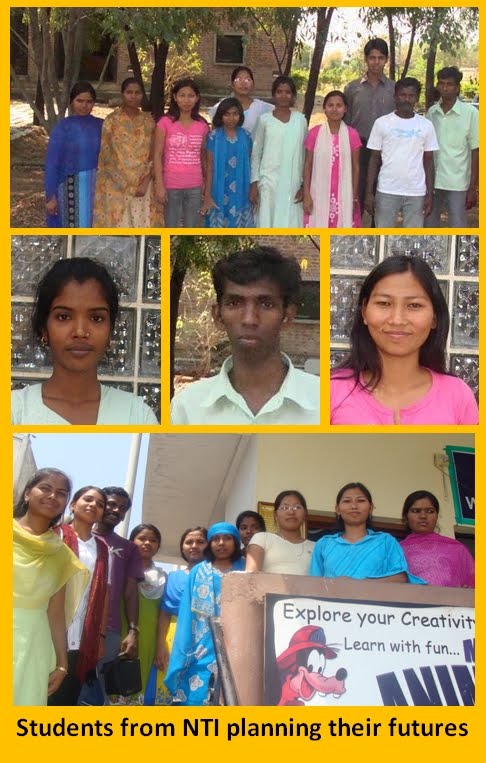
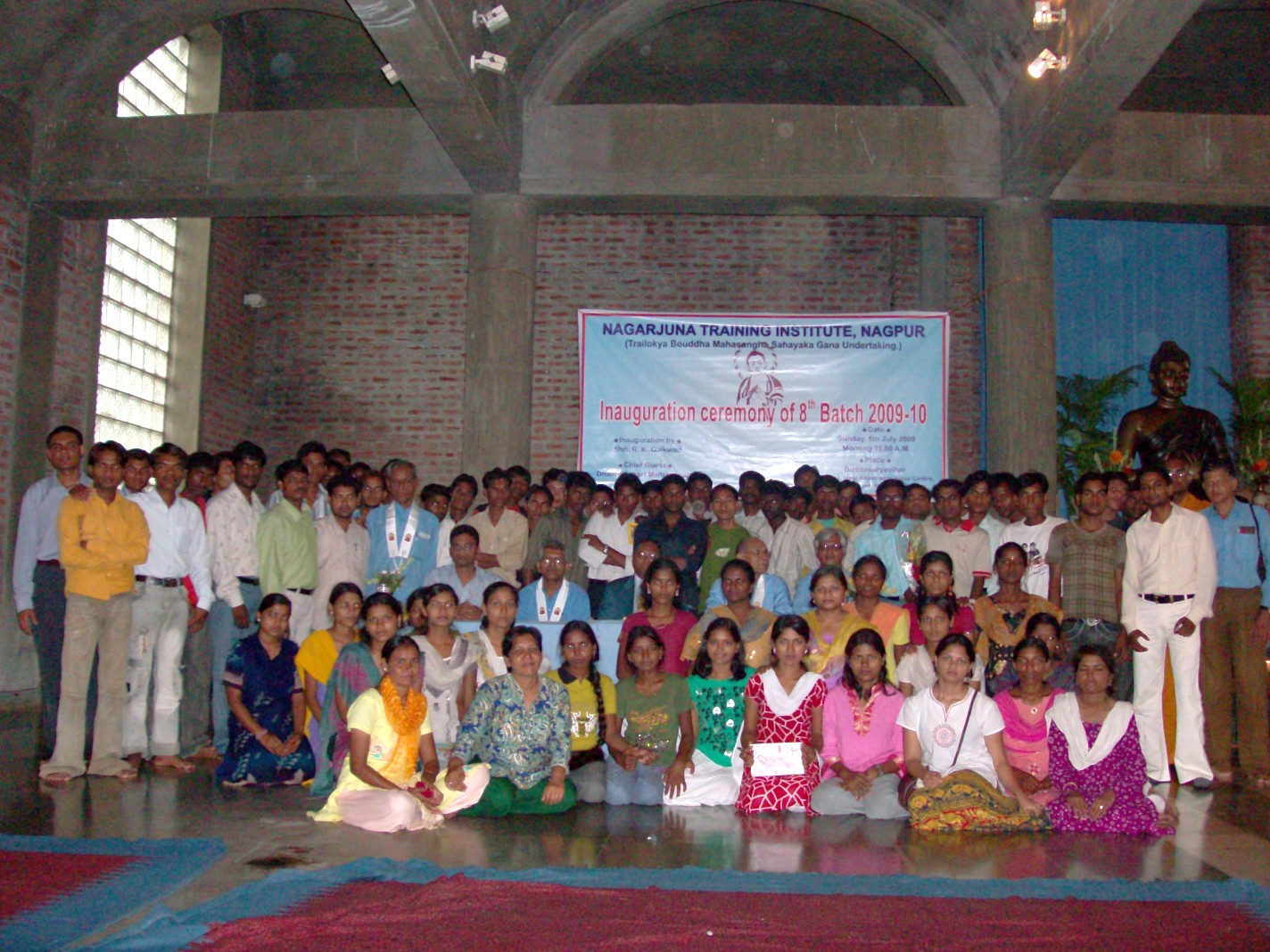
The Nagarjuna Training Institute in India is the FWBO/TBMSG’s largest centre there. It runs ongoing year-long residential courses in Buddhism and social work, training up to sixty young men and women per year, from all over India. At the end of the years training they graduates may either stay on for a second year or return home. Many have done so, and in this way a widespread network of local groups across India affiliated to the TBMSG have sprung up all over India. Once home, the Nagarjuna graduates do what they can to spread the Dhamma given their need to earn money, help their family, and meet the many other demands of Indian life.

In April this year the FWBO Growth Fund gave money to support for a year twelve Nagarjuna graduates in five widely-separated Indian States – Orissa, Kerala, Tamil Nadu, Karnataka, and Rajasthan. The application was for funds to support twice as many, but as the FWBO Growth Fund is small and already over-subscribed six times over it was unable to assist!

Vivekaratna, Director of Nagarjuna, has recently sent us this report. Many other Dhamma projects are also going on across India, not least the recently-concluded and very successful Dhammakranti retreat at Bodh Gaya, which had 1,500 people attending - we hope to bring reports of these soon.

Orissa
Jadumani conducted two seminars in Sumbalpur for college students on the Psychological Effects of Caste and Jaldhar & Panchanand supported him. Around 60 senior college students participated in both seminars. There is good team work among these three ex-trainees. They inspired people to participate in the recent Dhammakranti retreat at Bodhagaya – where five persons became Dhammamitras through their work.

Kerala
Subhash, who was training till August 07, has now joined Binojbabu who had already started Dhamma work in Kollam district in Kerala. They have established a Dhamma centre in Mynagapally in Kolam distt – financed entirely by donations from local people. They are meeting individually and collectively with Ambedkarite activists from Kollam, Kottayam & Alapuzha (Alleppy) districts and conducting day retreats at the center and elsewhere. They organized a programme for Nagashuri & Saddhajyoti who visited last month – see report on FWBO News (forthcoming).

Tamilnadu
Subhash, Manimaran, and Ganesh organised a three days residential retreat at Villupuram in Central Tamilnadu. Vivekaratna led the retreat, which was on the Three Jewels, and 25 persons participated. They were very pleased because they managed to raise money locally to meet all the food expenditure of the retreat – and obtained the acconodation free of cost from a local charity. This is TBMSG’s first residential retreat in Tamilnadu. There is good teamwork between Subhash, Manimaran & Ganesh.

Karnataka
In September Satyam single-handedly organised a retreat in Gulbarga. 23 persons participated in the retreat, and Padmavir & Dhammadarshi led it. Once again, Satyam raised donations locally to meet the retreat expenditures. He is conducting regular dhamma activities, mostly working in Bijapur, Bider and Gulberga districts, as well as keeping regular contact with ex-trainees from Karnataka and encourging them to help in spreading the Dhamma.

Rajasthan
Rambabu is working among the Meena community which is a tribal community. He is especially active in Bharatpur, Dhaulpur, Sawai Madhopur, and Alwar Districts. In addition he has regular interaction with Ambedkarite activists and gives lectures, leads Puja, and clarifies the doubts of the persons he meets. He is specifically emphasizing social transformation through Dr. Ambedkar’s thought – using Ambedkar’s emphasis on Liberty, Equality and Fraternity as Buddhist values for the transformation of society.

This is only a tiny glimpse of the many Dhamma and social projects the FWBO/TBMSG runs in India.

Labels: , , , ,

Wednesday, October 31, 2007

Nagpur celebrates the 51st anniversary of the conversions; Dhammakranti joins in

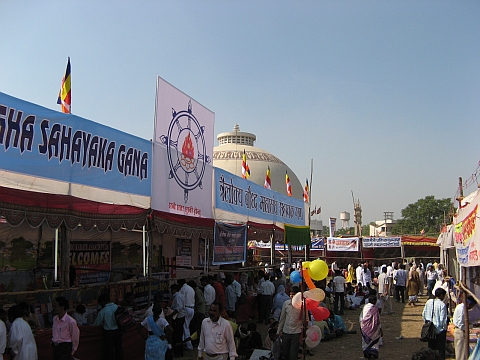
The Dhammakranti team recently took time out from working on preparations for their big retreat in Bodh Gaya to attend the annual celebrations in Nagpur of Dr. Ambedkar’s conversion to Buddhism in October 1956. This year was the 51st anniversary of the great conversion ceremony, and they organized the biggest stall ever to be seen at the Dikshabhumi (the ‘ground of conversion’) in Nagpur.

All the major TBMSG projects in Nagpur participated in the event – Dhammakranti itself, the Samata Mahila Society (a women’s project running a hostel for 80 girls as well as thirteen community centres in the Nagpur slums), Triratna Pustakalya (a TBMSG-run bookshop in central Nagpur), TBMSG Nagpur itself (general social and Dhamma work across Nagpur) and the Nagarjuna Training Institute (a major TBMSG teaching centre which runs year-long training courses for new Dhamma teachers from all over India on a beautiful campus on the outskirts of Nagpur).

Dhammakranti’s manager, Nagaketu, told FWBO News “Thousands of people visited the stall and purchased books on Buddhism and social change. We were also able to give information to thousands more on the coming International Dhammakranti retreat in Buddha Gaya and on the next training course on Buddhism and social work, which we are running at Nagaloka. This was the biggest stall organized by anybody ever in the history of the Dikshabhumi!”

Click here for further information on the Nagarjuna Training Institute.

Readers interested in the thought of Dr. Ambedkar are invited to read a selection of his quotations or his classic work, Annihilation of Caste. His Buddhist classic 'The Buddha and his Dhamma', published posthumously, is also available on-line.

Labels: , , , ,

Tuesday, September 25, 2007

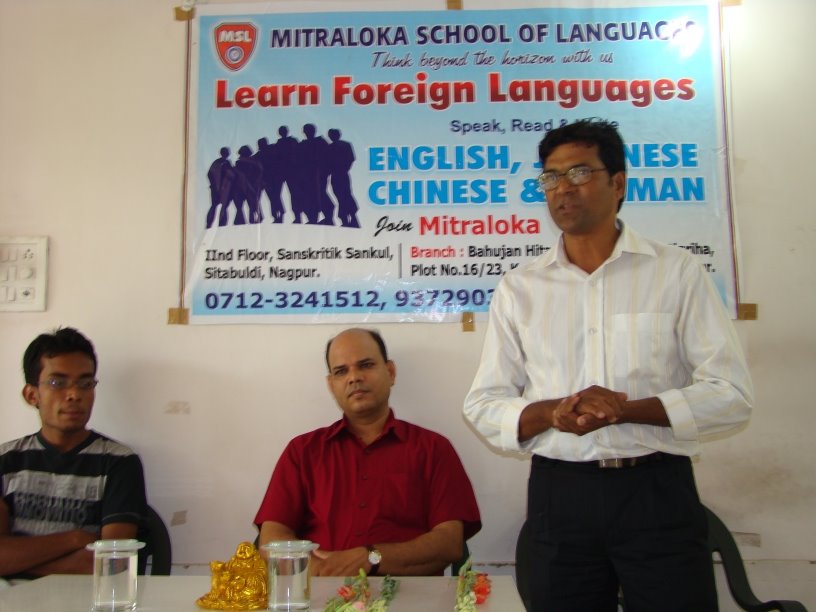
Mitraloka School of Languages launched in Nagpur

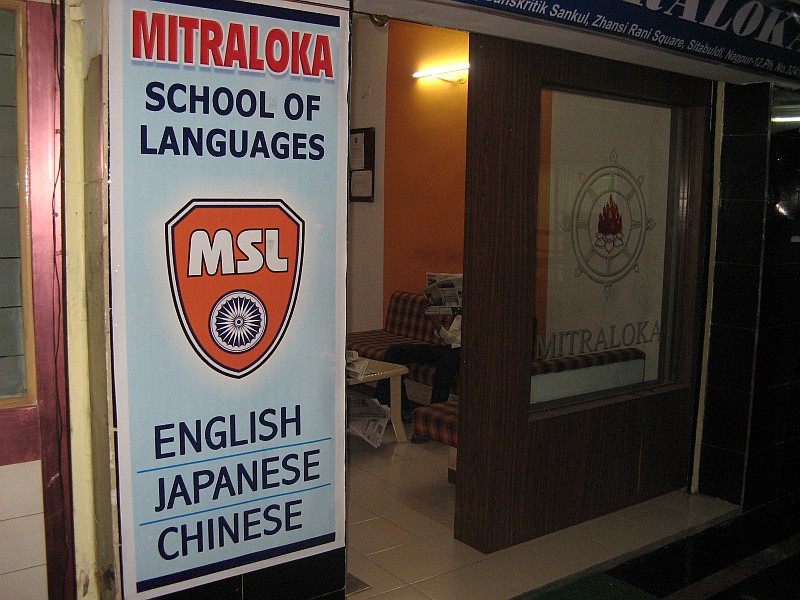
The Dhammakranti team have recently started the 'Mitraloka School of Languages' in the heart of the Nagpur City. They are teaching English and Japanese, and will soon be adding Chinese, German and Spanish classes.

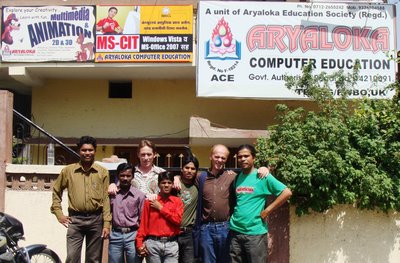
In four different classes they have seventy students learning English and Japanese with many more on the waiting list. They told FWBO News they got a huge response to these classes because their School is the only Institute of its kind in central India - training people from very poor economical backgrounds in international languages. They are confident that having had the training, people will be much better placed to get jobs - Nagpur is rapidly becoming an international city with many multinational companies offering jobs for people trained in foreign languages. In some ways they are parelleling the development of the Aryaloka Computer Education, also in Nagpur, which has for some years been offering low-cost computer education to students in need.

Although the School is only three months old, due to the huge response and great need in Nagpur and in central India they are already thinking about expanding this project very soon.

Finally they have an appeal to make. Nagaketu, the Centre Director, says "We are looking for more teachers, especially in German, French, Spanish and Chinese. If anyone reading this is interested then please contact us!"

Labels: , ,

Friday, September 21, 2007

FWBO News back in action…

There’s been very little activity on FWBO News these past few weeks. That’s not been through lack of news to publish – in fact we have a queue of nearly 40 items! - but a changeover of editors plus personnel absences during the summer retreat season. But now we’re back and eager to get going again. Expect to see reports soon on –

The Jai Bhim Community in Hungary
The Mitraloka School of Languages in Nagpur, India
Ethical Investment opportunities in Valencia, Spain
The recent Preceptors College meeting in Wales
News from Order Members active in the world of Non-Violent Communication (NVC)
The Golden Rainbow Appeal
Poetry and Art in New Hampshire
An Ordination in Berlin
Progress towards an FWBO Centre in Beijing
Glasgow Buddhists ‘Sitting in Peace’ at the Faslane nuclear submarine base, others at the DSEI arms fair in London
The Western Buddhist Order Convention – celebrating ‘What is Alive in the Order’
The recent Team-Based Right Livelihood weekend in Birmingham
Indian Mitra presents paper at United Nations conference
The 9th Buddhafield ‘Child-Friendly’ retreat on their new land in Dartmoor, UK (from which comes the pink heart above!)
An update on the 2008 Dr. Ambedkar Conference planned in San Francisco
New websites at FWBO Discussion and FWBO Developments

There’s plenty more but hopefully that’s enough to whet your appetites…

In addition we hope to be bringing you more in the way of in-depth features (click the Features tab above) and an FWBO-wide Jobs advertising service for those interested in working or volunteering for the FWBO in one way or another.

Suggestions and contributions for news items are always welcome – please email us at
  • email:
    news@fwbo-news.org

    Labels: , , ,

  • Thursday, May 31, 2007

    New map of FWBO/TBMSG in India

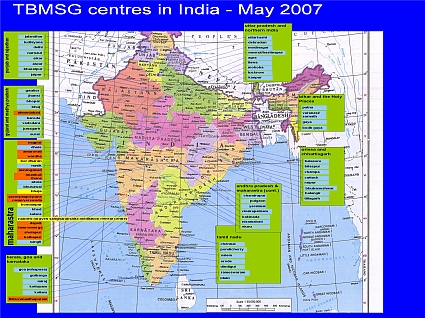
    A new map is available on-line of all FWBO/TBMSG groups in India. Click here to see it and/or download it from the FWBO Photos site on flickr.

    This is probably the first time all of our many centres and groups in India have been collected and made visible in this way. Comments and corrections welcome. For contact details for the centres go to the TBMSG website; for contact details for the smaller groups the best is to try Nagaloka, Dhammakranti outreach project, or the Jambudvipa in Pune

    There are also maps on the flickr site for the FWBO's centres and groups in Europe, the UK, and around the world.

    You might also like to try exploring Google maps and searching for 'FWBO' or 'TBMSG' - in many cases, incuding in Inda, it is possible to zoom in to a street-level view of our actual centres. Check the Mahavihara in Pune for intance.

    Labels: , , , , ,

    Monday, March 19, 2007

    FWBO Karuna Trust Partners' Conference

    February 14th – 16th saw the first Karuna partner conference at Nagaloka in Nagpur, Maharashtra.

    Almost all of the Karuna Trust's 45 project partners attended- one hundred delegates in all- NGOs and projects from all over India and beyond, working in a very wide range of fields. The title of the conference was “Towards a shared vision of Social change”. Our aim was to bring people together to share experiences and to establish a sense of working together towards a common vision.

    Introducing the event, Karuna Director Suddhaka said “This conference is the realization of a long held dream for us. For many years we have been developing links with groups doing effective and inspiring grass roots work in many different parts of India. Now our hope is that by bringing these groups together we can play a small part in building a movement for social change.”

    The three day program included talks on such themes as education, caste and Buddhism; presentations on Karuna and the way it raises money; and lastly skill sharing on subjects such as IT, management and planning, and dealing effectively with government.

    The key points that emerged were that India is changing very rapidly and is no longer seen by donors as a very poor country. At the same time the issues facing poor communities are as serious as ever. As a result Karuna sees the need to make a shift from funding service provision; to a mixture of service provision, capacity building, advocacy and network building.

    The final session looked at specific strengths and suggestions for improvement for both Karuna and its partners; a number of useful points were made in an atmosphere of considerable mutual appreciation. There was a tangible sense of a ‘family’ of partners emerging, all the more pleasing as many had not met one another before – and it was very much hoped that all sorts of ‘cross-fertilisation’ and mutually beneficial contacts would be developed over the months to come.

    All three nights saw cultural programs, by Ashvaghosa, children from a local TBMSG community centre and kindergarten, and a group of drummers, dancers and actors from Tamil Nadu.

    Karuna would like to thank everyone involved in organizing and co-ordinating the conference. Thanks especially to the Nagaloka and Jambudvipa teams who worked hard to make the event run smoothly- to Jane Goldsmith who facilitated the event and brought many creative ideas - to all our speakers and workshop leaders and to all our partners who came and participated in a wholehearted way.

    Labels: , , ,

    Wednesday, March 07, 2007

    Work Begins on Buddha for Nagaloka, India.

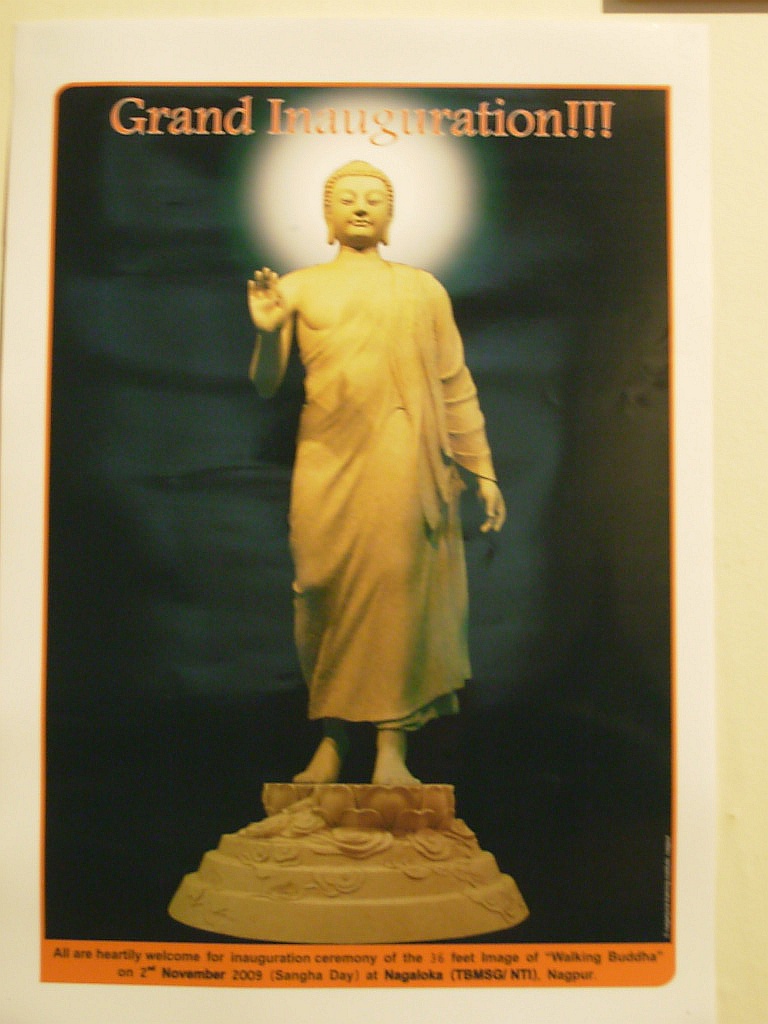
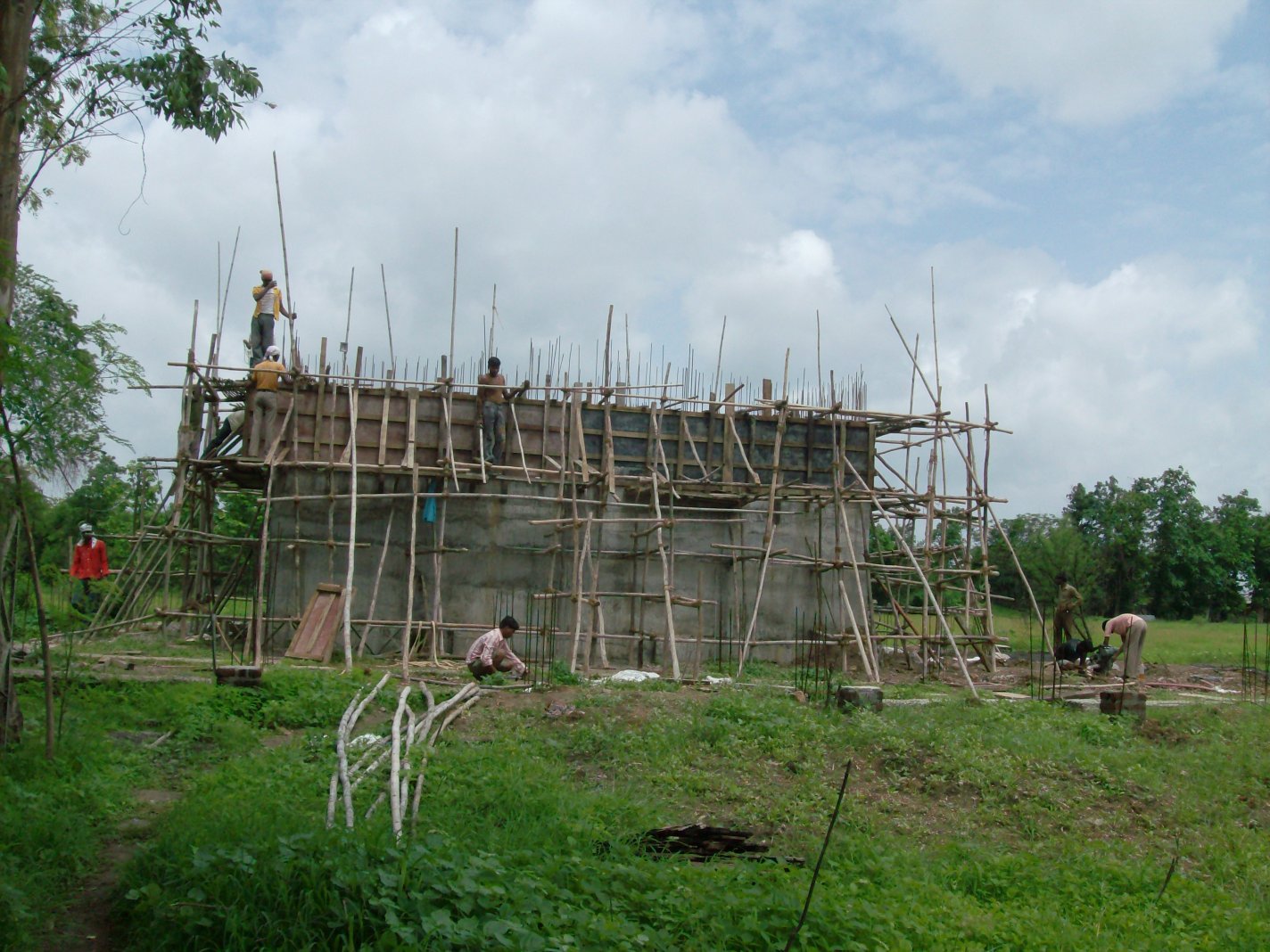
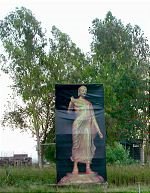
    As mentioned last month in FWBO & TBMSG News, the Nagarjuna Training Institute has commissions an enormous Buddha statue. Work has now started on the in Taiwan on the walking Buddha, which will be a remarkable 10.8m high. It will be positioned on top of a visitors' centre and lotus that will add a further 4m to the height - making it by some way the tallest structure on their extensive campus, and a feature for miles around. The image shows a large poster of the Buddha errected on site.

    The statue is being created by Wen Kwei, one of Taiwan's leading Buddhist sculptors who is famous for an equally large ten-headed Samantabhadra. Wen Kwei is also managing the difficult process of transportation and erection of the statue, and even some of the fundraising, which is all being done in Taiwan. Vivekaratna, chairman of NTI, told FWBO & TBMSG News that Wen Kwei has said he wants this to be the best of all his works, and famous throughout the world. Conscious of the fact that Indian aesthetics are very different to Chinese, he has already made an extended visit to the site and discussed the details of the figure with local Indian Order Members. The date of inauguration has been planned for 27 December 2007, with work starting on the foundations on 14 April - both dates, and the exact location of the statue, having been chosen using fengshui.

    Story by Lokabandhu

    Labels: ,