Monday, March 24, 2008

Death in India, fire in New Zealand

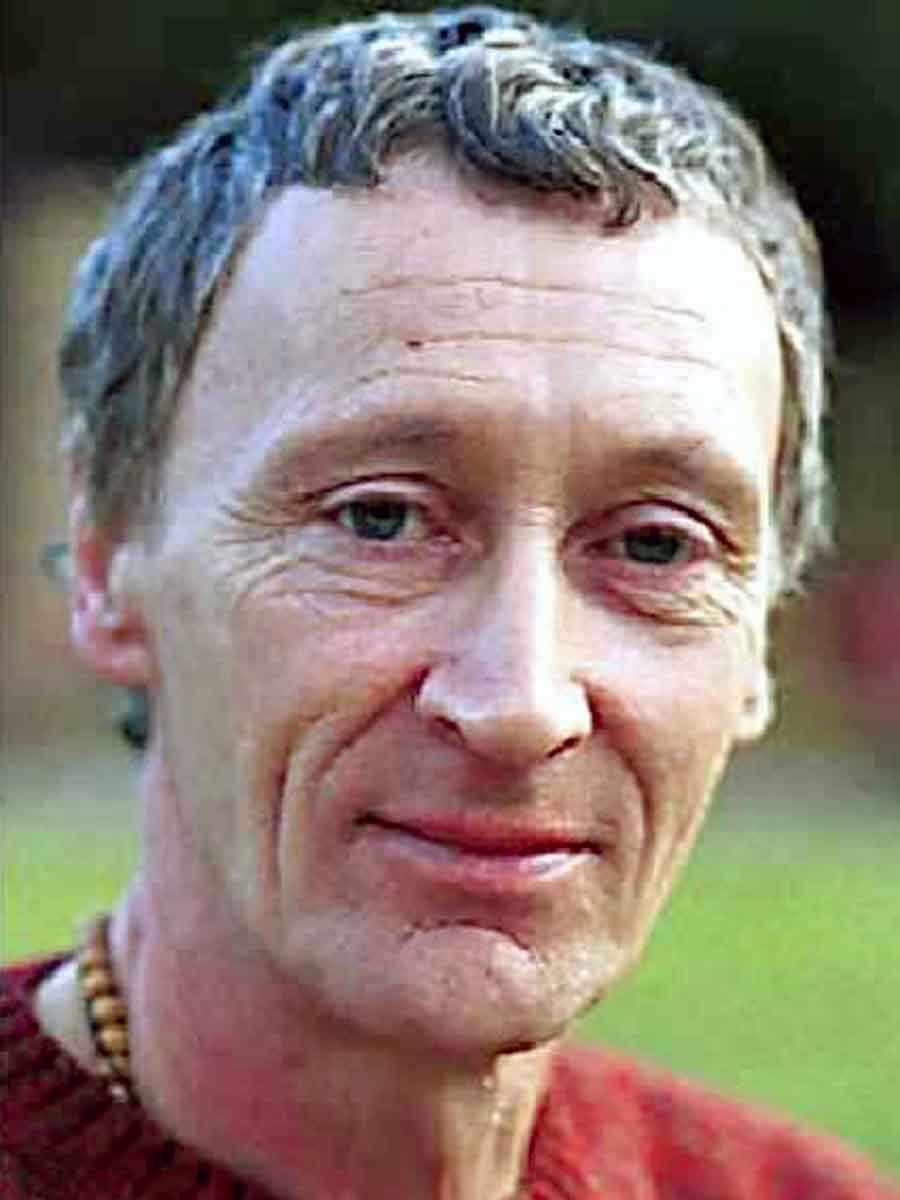
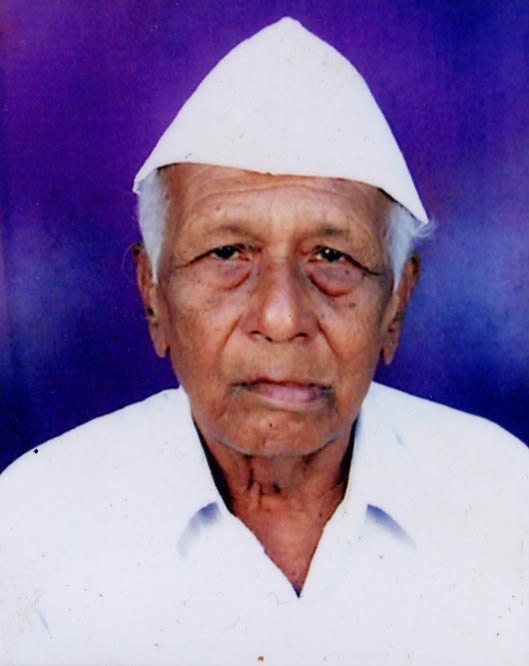
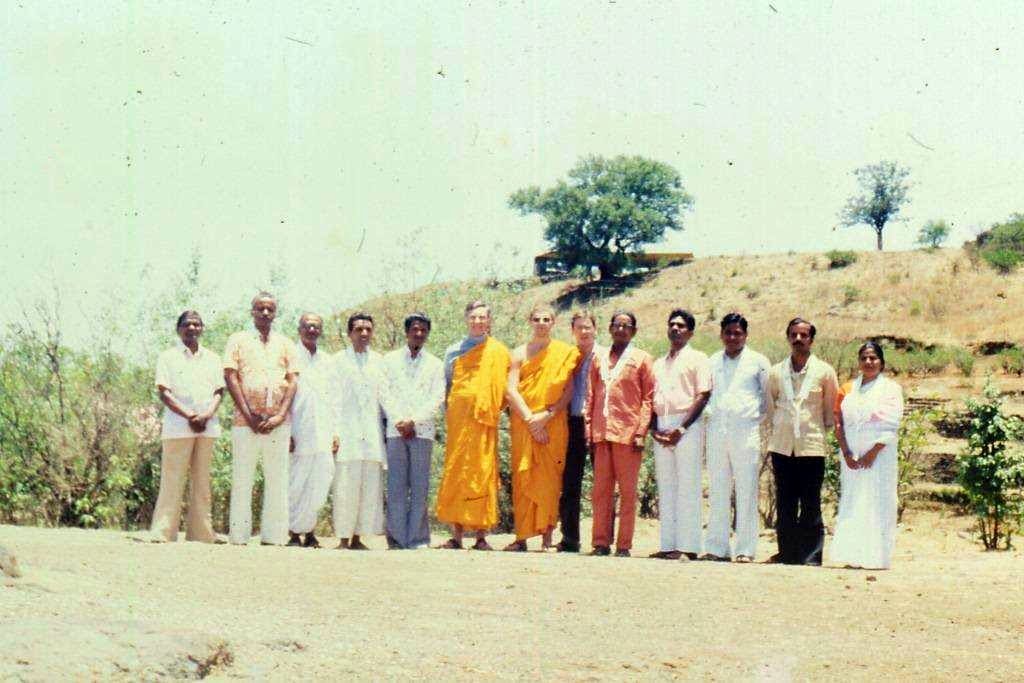
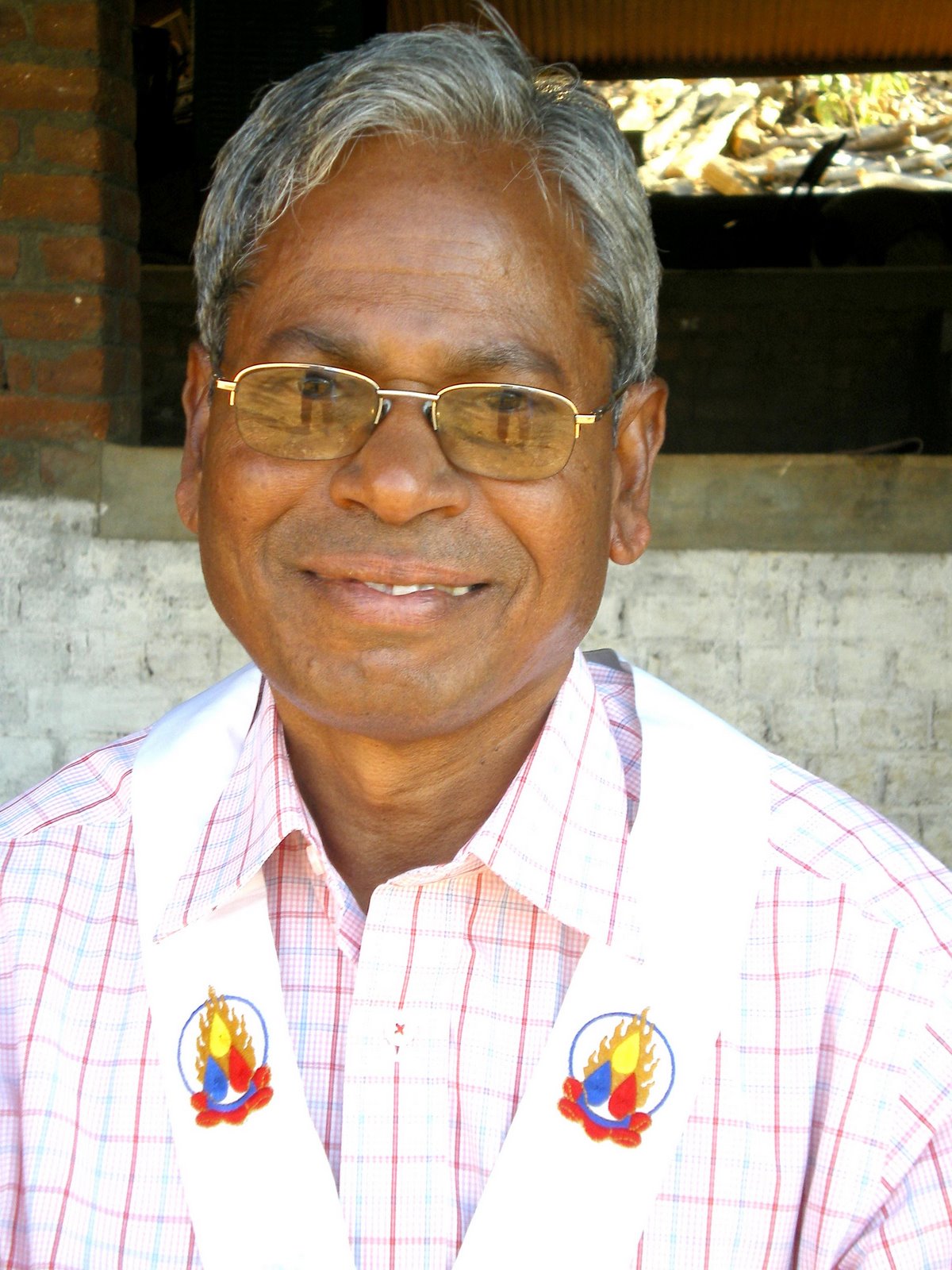
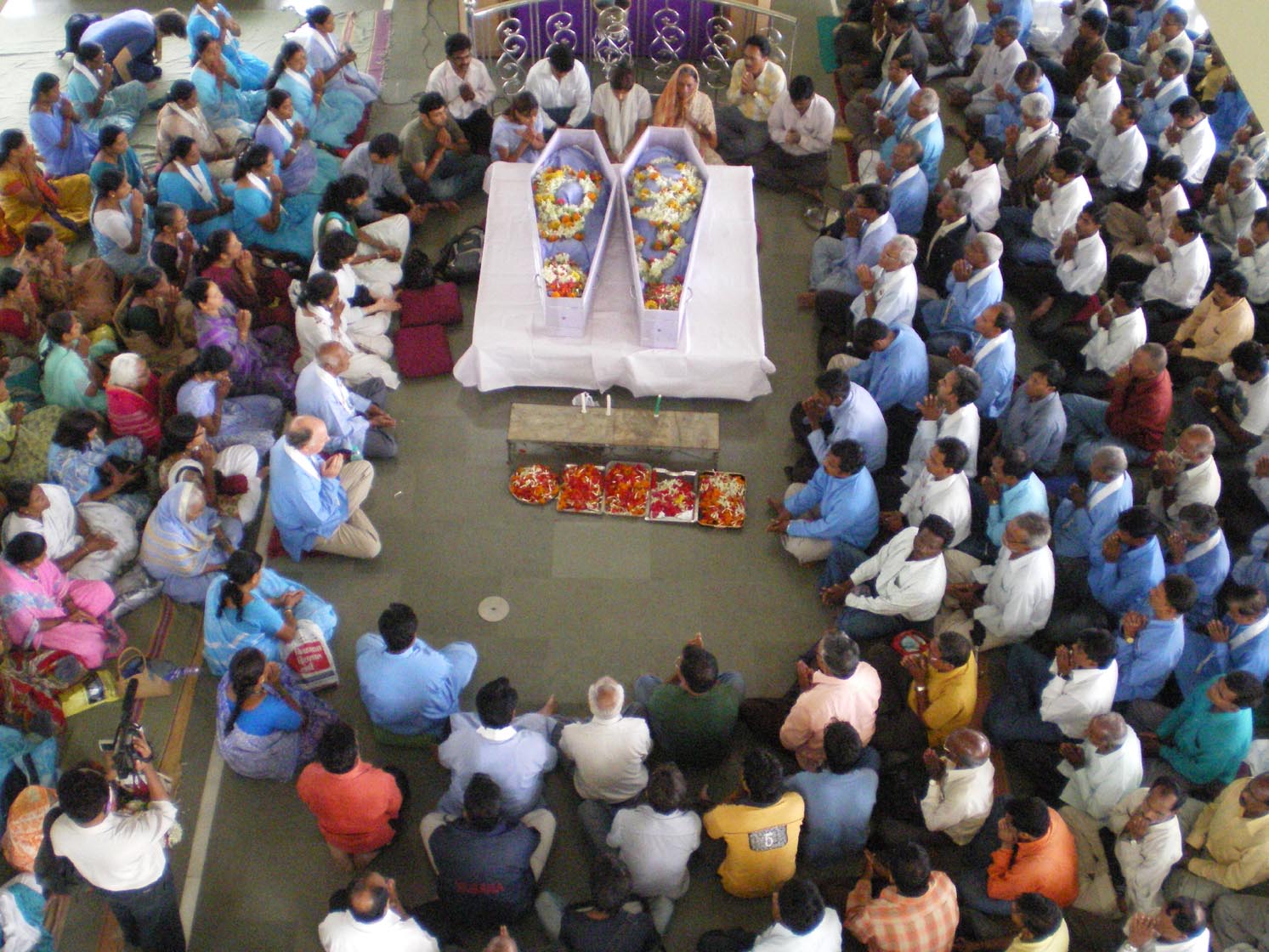
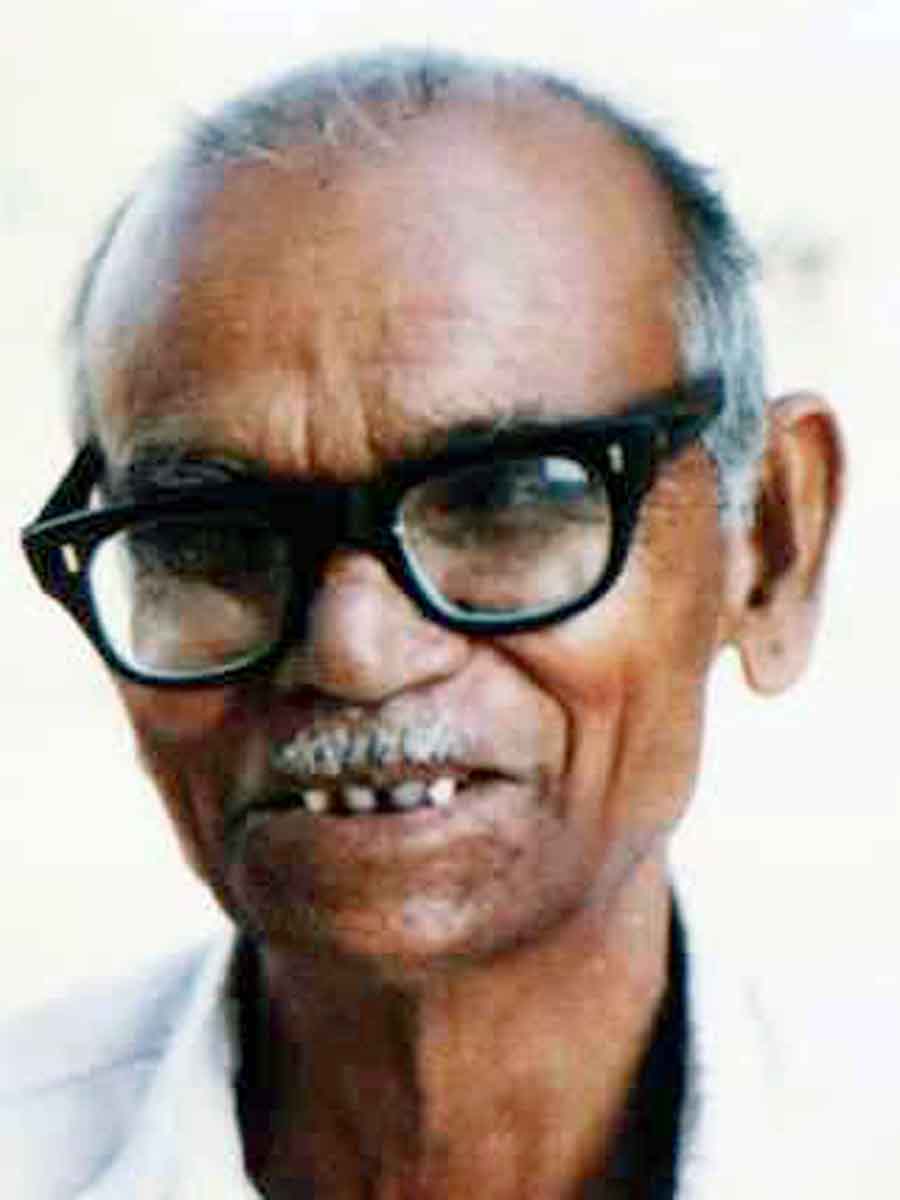
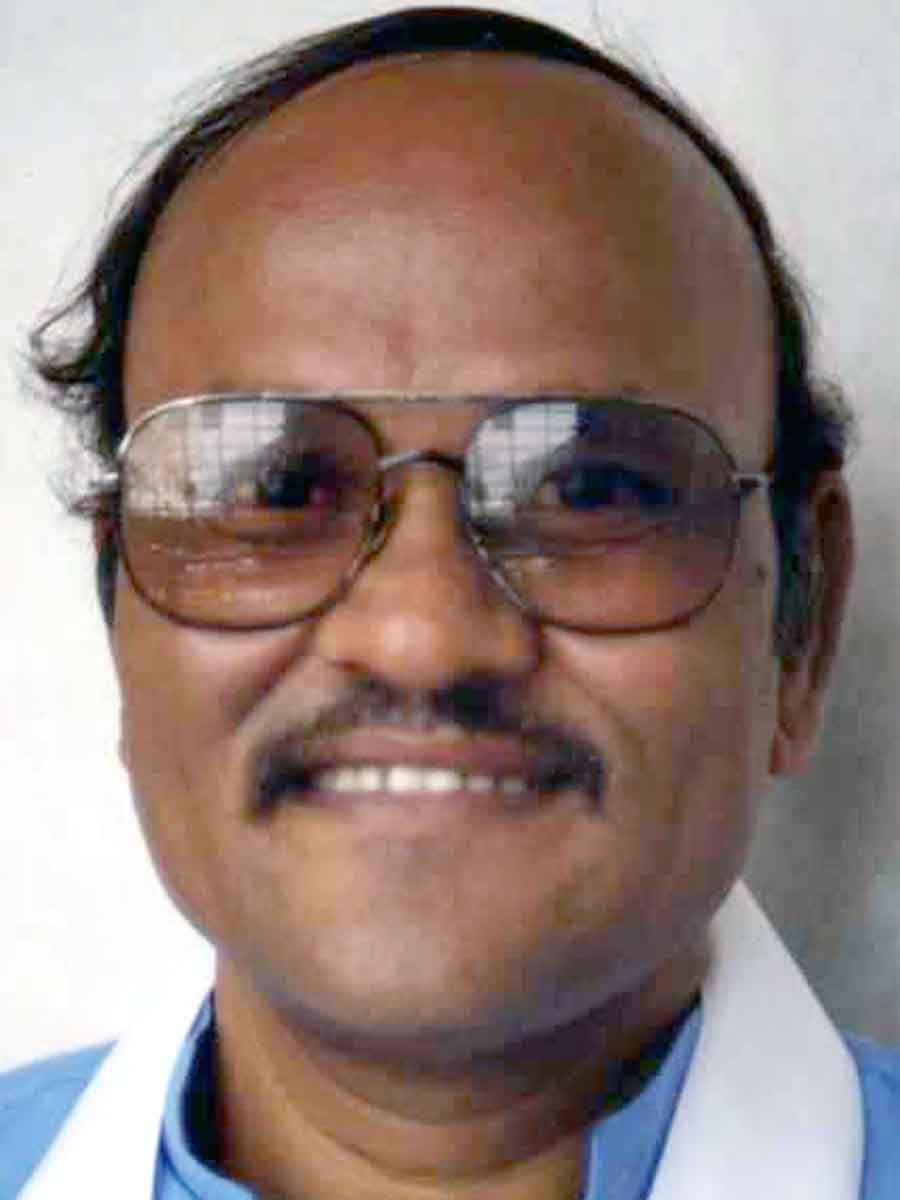
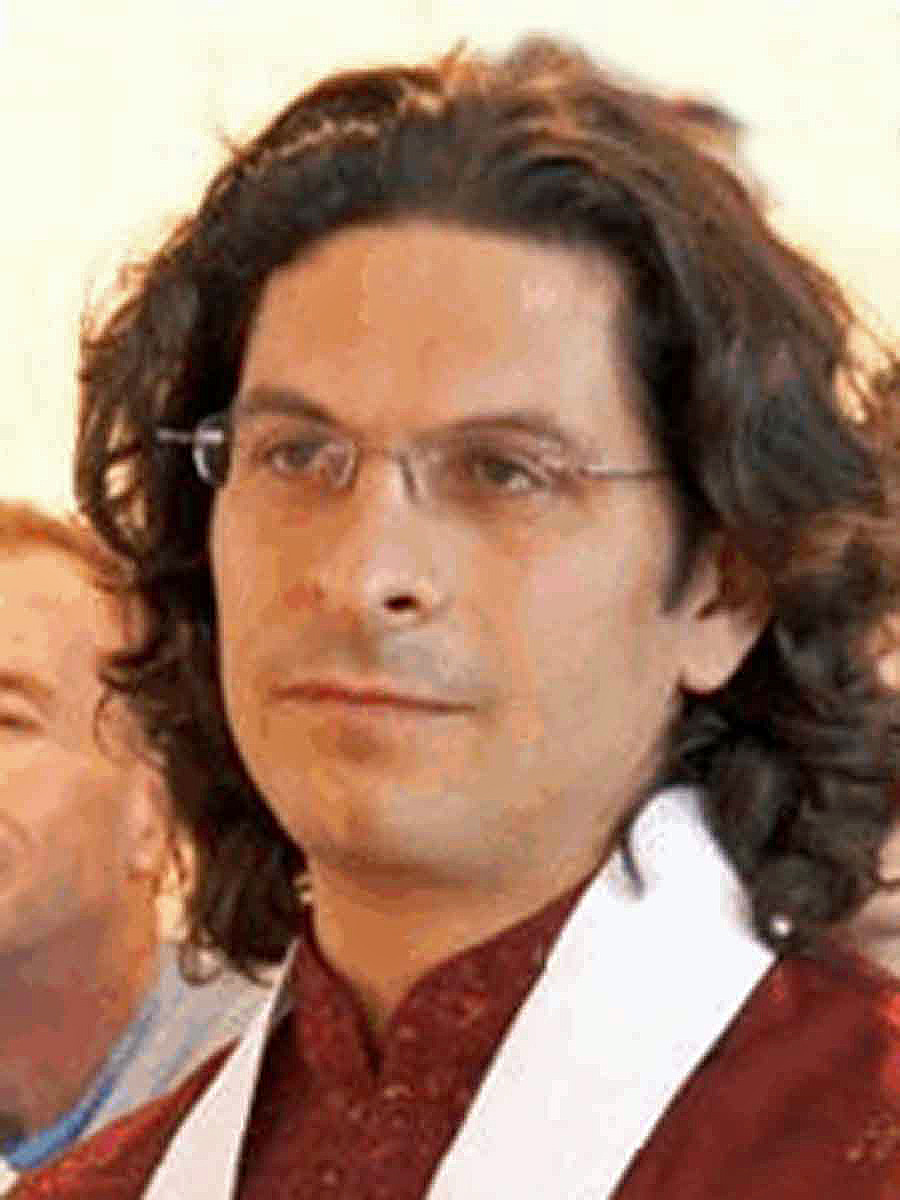
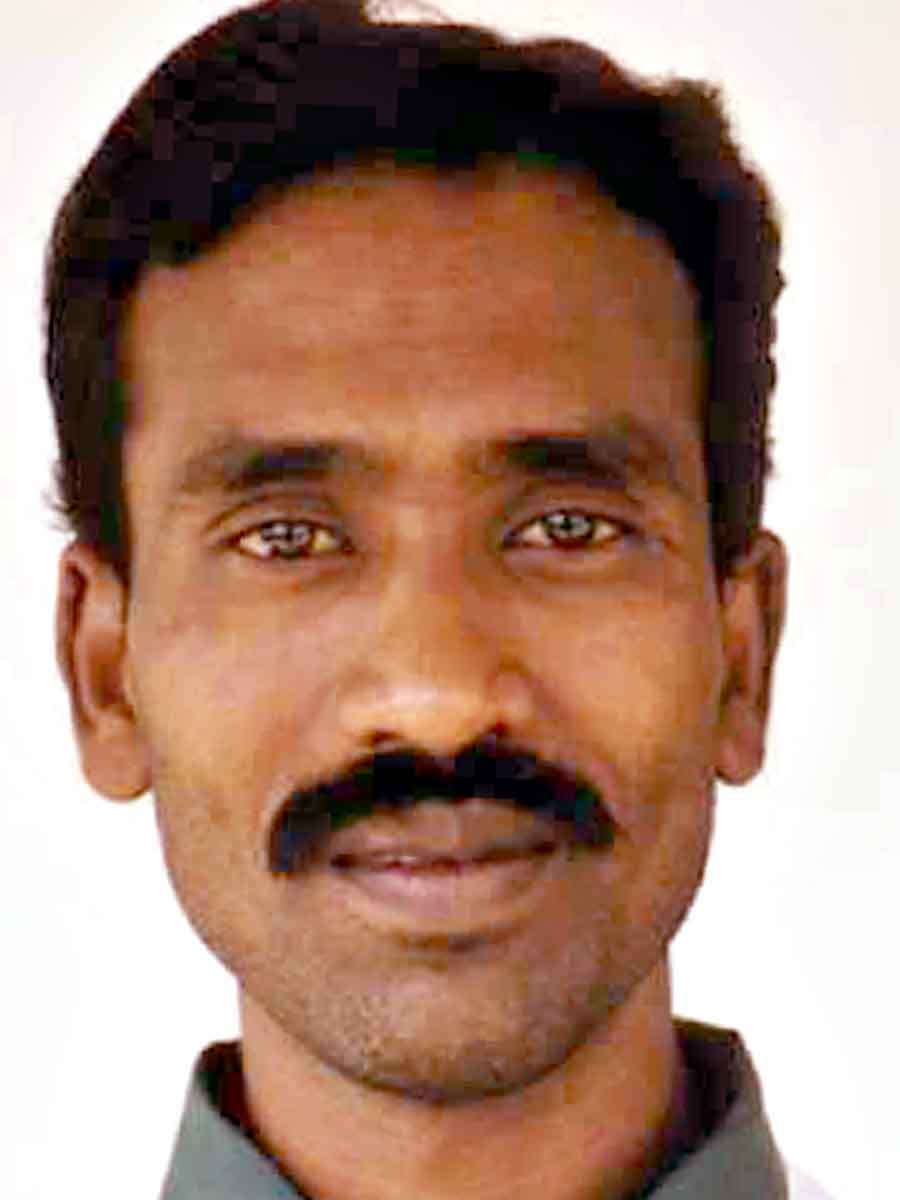
FWBO News is very sad to report the death of Dharmachari Amritavira, of Aurangabad, India. He died on Friday 7 March 2008, having been in hospital for several days, following a heart attack. The funeral took place on 8th March.


Amritavira was ordained in March 1993 and lived and worked in Aurangabad for the TBMSG centre there. He was well-known and much loved by many people.


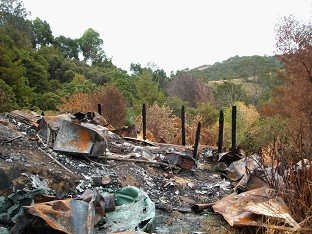
Continuing the theme of bad news, Akasadaka from Thames, New Zealand, has sent news of a fire that recently burnt Satyananda’s house to the ground.


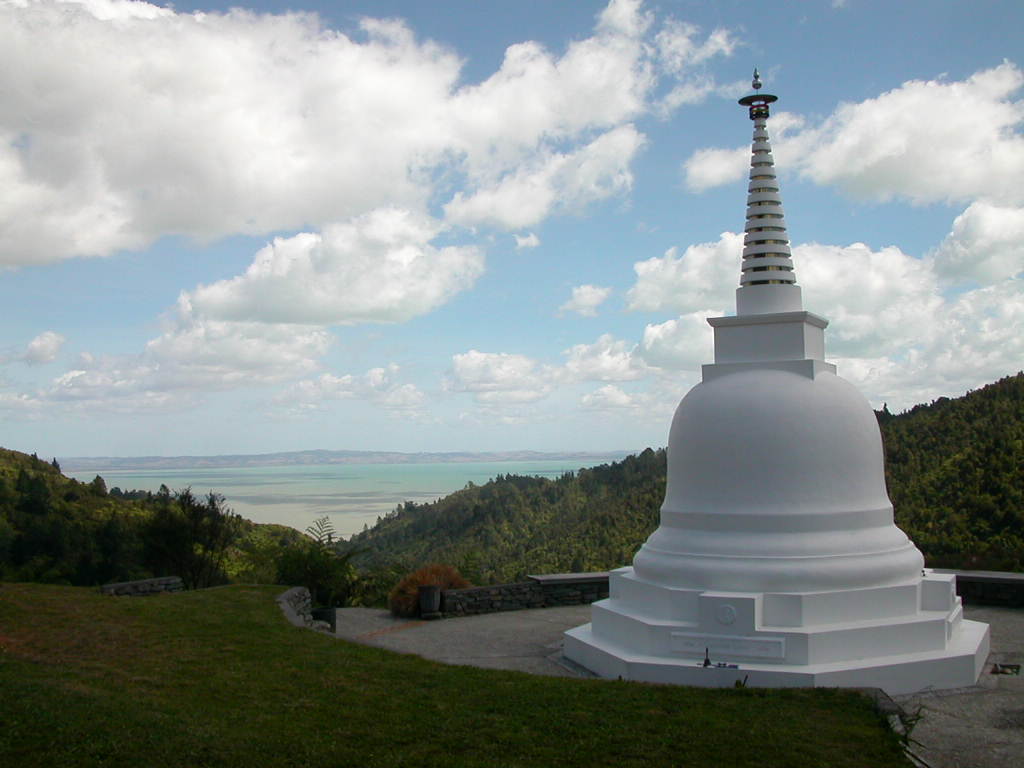
Satyananda is best known for conceiving and masterminding the construction of the FWBO's 'Sudarshanaloka' retreat centre and stupa high in the hills above Thames. Akasadaka writes -

"Around about 5pm, Satyananda’s house became a blazing inferno devouring everything he owned. To contain the bushfire 55 firefighters were called in, including volunteers, along with three helicopters with 'monsoon buckets'. Fortunately no-one was hurt.

"Satyananda is now residing back at Sudarshanaloka Retreat Centre until he can sort out what he will do next. He can be called, in some ways like the monks of old, 'a man of naught' - except for the dirty laundry he had in the back of his beat-up old subaru pickup truck...

With this in mind, the Phoenix fund has been set up by some of his friends to collect donations for the purpose of helping him out. Donations of course do not need to be of the monetary kind, they could be donated goods or skills. You can email Akasadaka for any further information or to contribute to the appeal.

Labels: , ,

Friday, February 15, 2008

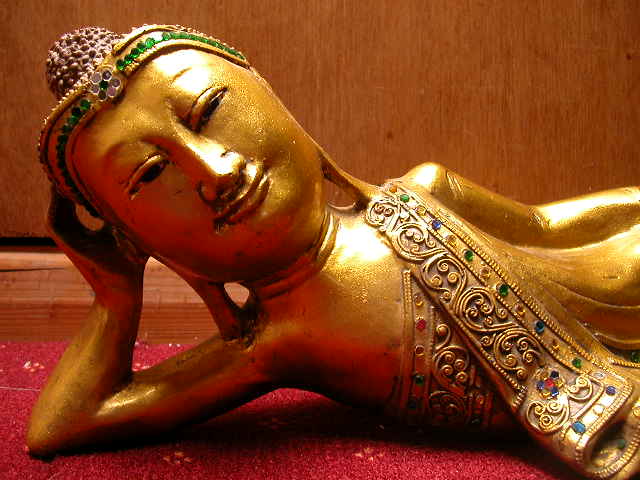
Parinirvana Day

Today, February 15th, FWBO Centres across the world will be observing Parinirvana Day, the anniversary of the Buddha’s entry into final ‘Parinirvana’.

FWBO News is pleased to reproduce some excerpts from ‘Between Twin Sala Trees’, a talk given by Sangharakshita in 1983, in which he outlines the significance of the day and suggests some ways in which it might be observed.

Sangharakshita says –

“The first of my suggestions is that, if at all possible, we should observe the Parinirvana Day as a whole day’s celebration. We should read the Mahaparinibbana Sutta and chant the Vajrasattva mantra. The Mahaparinibbana Sutta is part of the Pali Canon, the sixteenth sutta of the Digha-Nikaya, and it gives an account of the last few months of the Buddha’s life, and especially it gives an account of the last day, or rather, the last night of the Buddha’s earthly existence.

“Perhaps it’s not necessary in the course of our celebration of Parinirvana Day to read through the whole of the Mahaparinibbana Sutta. We can perhaps make a selection and read only those parts, only those sections which have a direct bearing on the Parinirvana itself or on the events leading up to the Parinirvana itself.

“The Mahaparinibbana Sutta could be read aloud in the shrine room, perhaps people could take it in turns to read, perhaps Order Members could take it in turns to read. And of course one must remember to read slowly, by which I don’t mean very, very slowly - I simply mean don’t rush it. And mindfully, paying attention to what one is reading and to the meaning of what one is reading, and also loudly, and clearly, and distinctly, so that everybody can hear you.

“The second of my suggestions for observing Parinirvana Day is that in the evening, during the performance of the Sevenfold Puja, we should make our observance of the Parinirvana Day also an occasion for remembering other deceased persons - not just the Buddha’s Parinirvana all those centuries ago, but also other deceased persons, especially Order Members, Mitras and Friends, who’ve died in the course of the previous year or so. We can place, perhaps, their photographs on the shrine, below images or pictures of Buddhas, Bodhisattvas and gurus.

“And their full names, and the dates of their death should be read out either during or before the Sevenfold Puja. We can not only remember, not only commemorate Order Members, Mitras and Friends, in this way, but also the friends and relations of such if anybody wants to bring along the photograph or the name of anybody, near and dear to him or her, who has died, especially in the course of the last year. All should be remembered, on that occasion with metta”.

Sangharakshita goes on to highlight some of the more significant episodes in the Mahaparinibbana Sutta: the Episode of the Mirror of the Dhamma; the Episode, or Teaching, of Subjective and Objective Refuges; the Episode of the Untimely Flowers; and the Episode of the Last Disciple. There are also some very interesting reflections on the different characteristics and ‘moods’ of the Buddhist Holy Places: Bodh Gaya, Kusinagar, Lumbini, and Sarnath.

‘Between Twin Sala Trees’ is available on FreeBuddhistAudio as either audio or text.

FWBO News would be very pleased to hear from readers around the world how they chose to mark this anniversary, either individually or in company of others at Buddhist centres. Simply click the ‘Comment’ link below and send us your comments.

Labels: , ,

Wednesday, June 20, 2007

Death in India

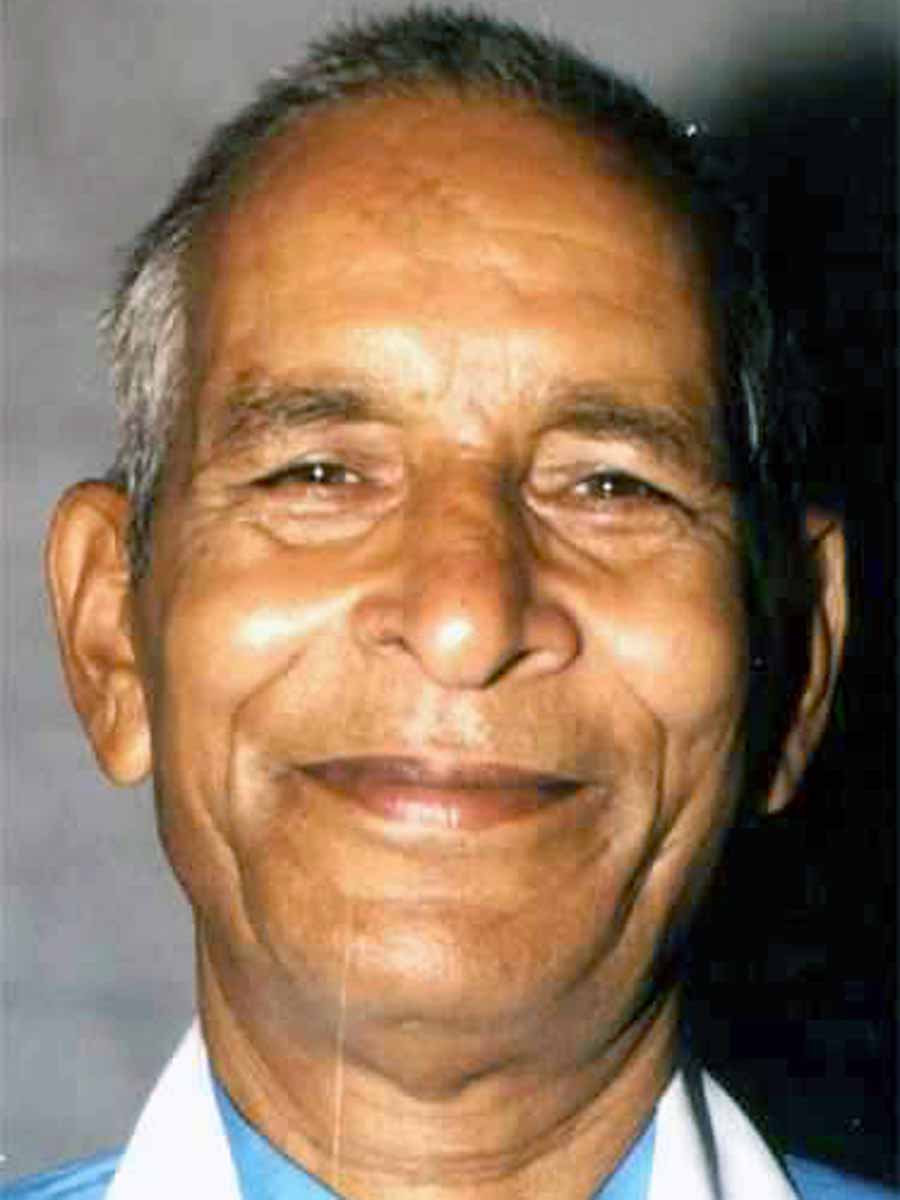
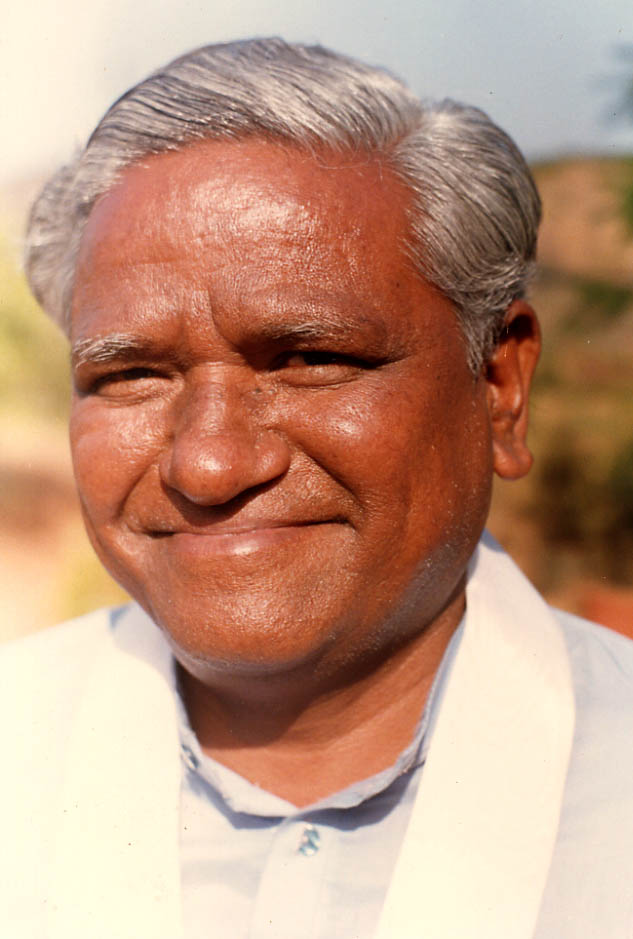
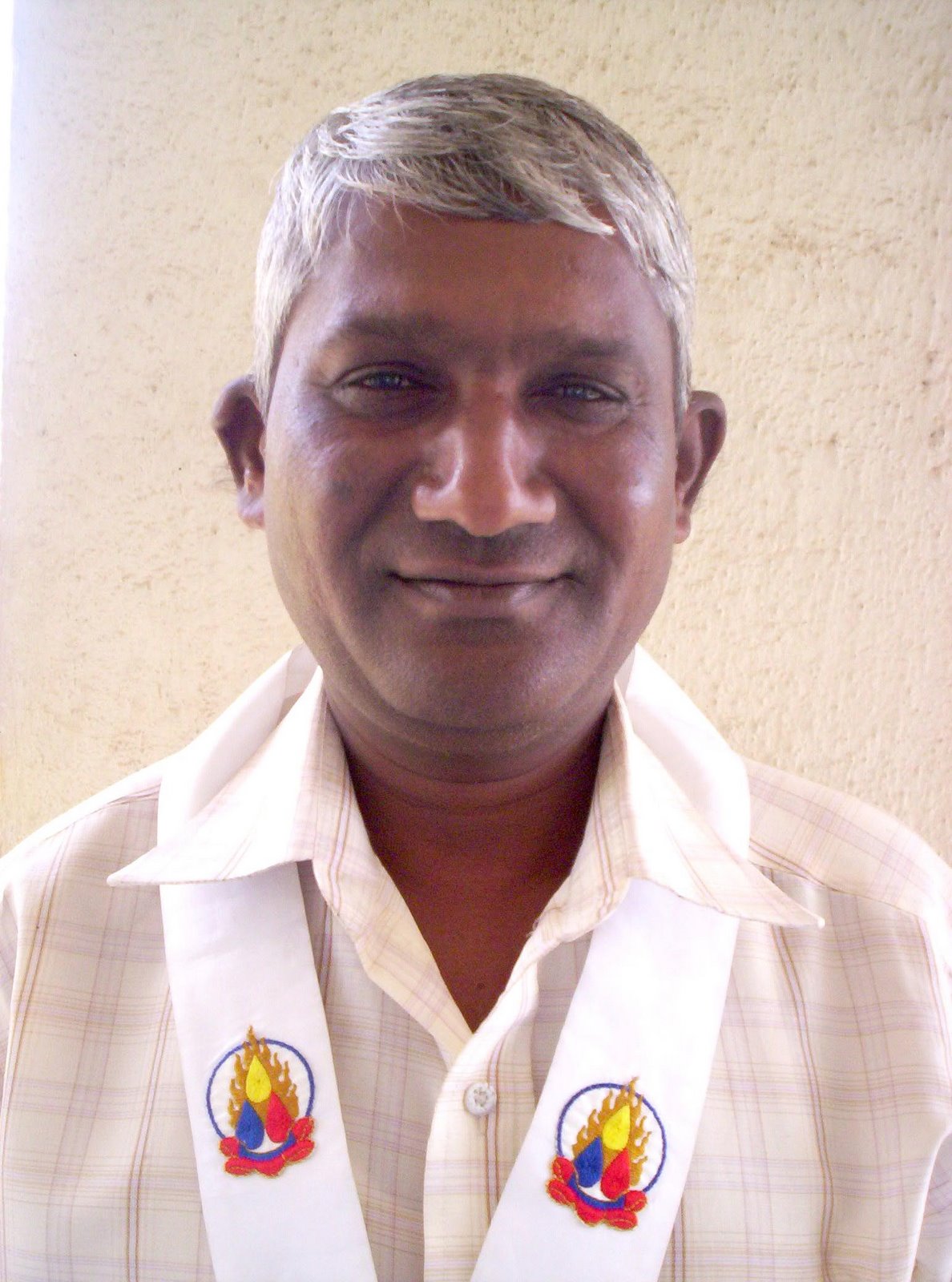
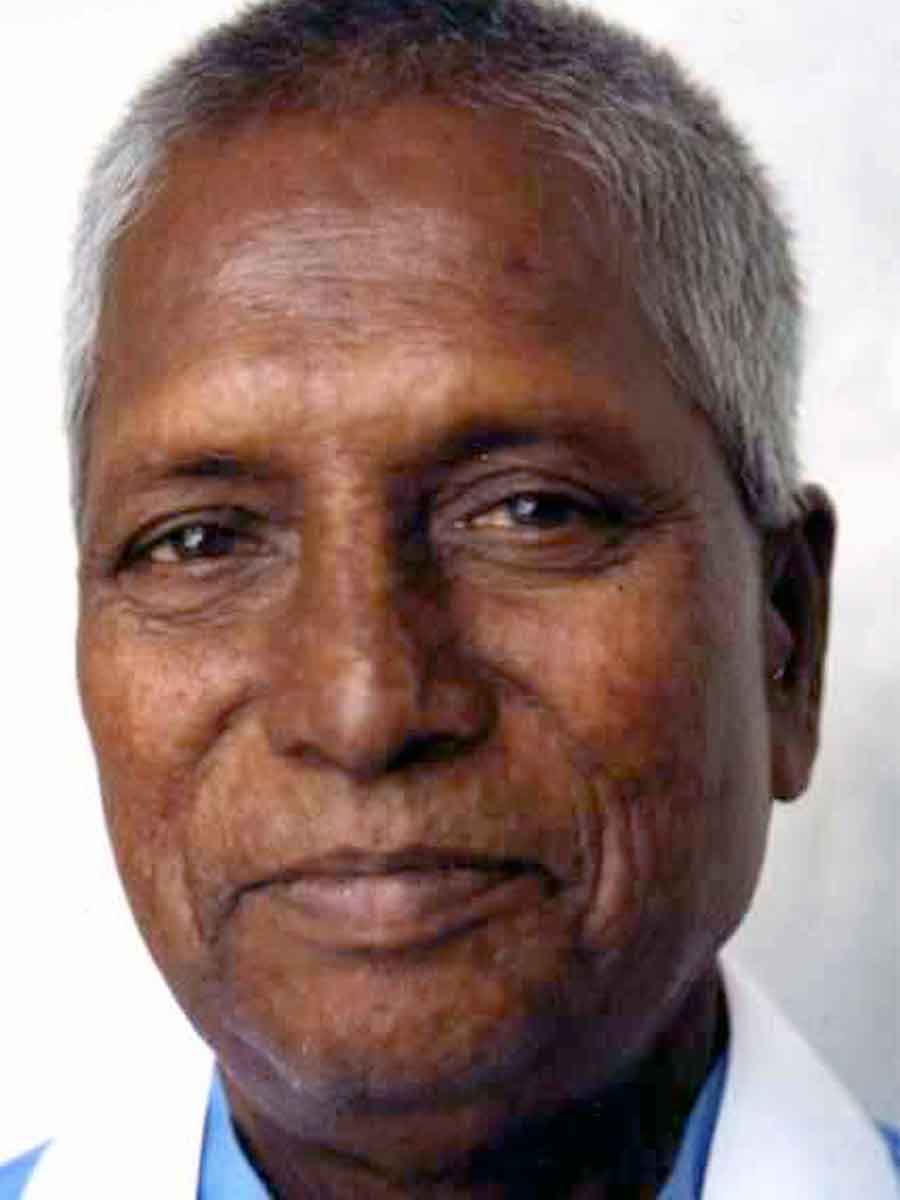
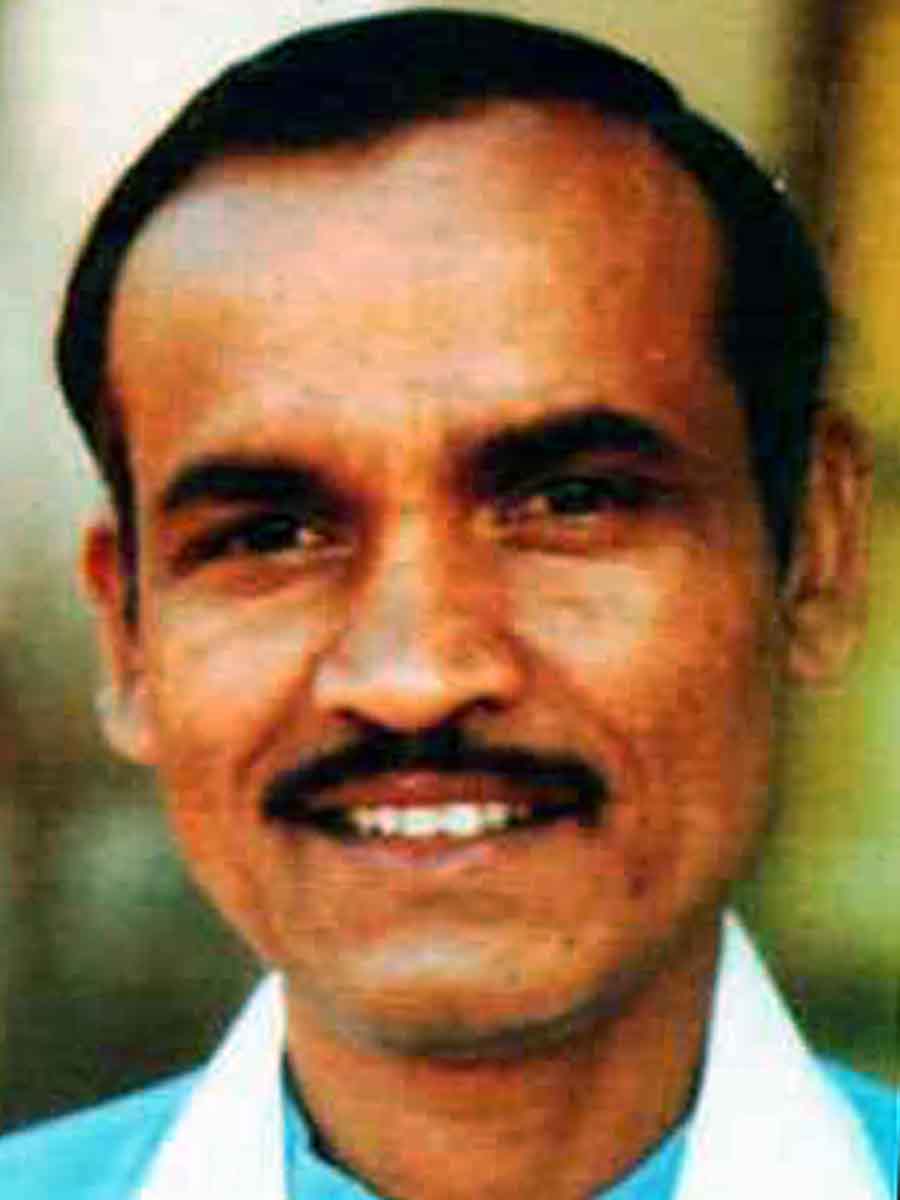
FWBO News is sad to report that an Indian Order Member, Ansulkumar, died in India yesterday, after a serious accident on a motorbike. He is survived by a wife and young daughter. He was 38 years old and worked at Bor Dharan retreat centre near Nagpur, where he was much loved by those who knew him.

Below is a brief account of his remarkable life story, as told to Lokabandhu in the year 2000.

“I was born in Bihar on December 12th, 1969. My people were from the tribal Adiwasi caste, and were Hindus, not followers of Dr. Ambedkar. I had three brothers and a baby sister. Economic conditions were very bad. There was no food and I had no clothes. I was thirteen years old and began to steal and pickpocket. When I was fourteen I was working in a shop, then a hotel, then an iron factory and then a circus, but I was paid only 70 rupees per month. I fell in love when I was still fourteen, but was fearful because there might be violence and even killing if it was discovered. At fifteen I left home, with sadness and no wish to live. I went to the city, planning to die, and the police caught me walking on the railway. They gave me food and I worked in the police quarters washing pots.

For six months I wandered in Bihar, no longer a pickpocket as I was afraid of the police. Then I went to Nagpur on the train, without a ticket. At this time I was very weak, with long hair and dressed in rags. I nearly had a fatal accident jumping on a train. The police took me to hospital, and later ordered me to leave town. Again, I felt I did not want to live. Finally I arrived in Nagpur, where a girl gave me two bananas. I felt very good. I did not want to beg. Later I went into a boy's hostel. The boys in the hostel were very naughty, and we became a violent gang, doing fighting, beating, and robbery. My uncle and aunt took me to another hostel, this time run by Bahujan Hitay. I was eighteen years old.

This was very different - there was discipline, and puja, and no violence. I felt very nervous and thought it was boring. I saw Order Members for the first time, Vivekaprabha and Vimalakirti, and was very impressed. Other people helped me here, and I decided to become a good man like them. I therefore joined TBMSG and attended Dhamma lectures and meditation classes. People still thought of me as a criminal, but I wasn't. I thought of the Buddha gaining Enlightenment, and decided to go into the jungle. I took yellow cloth, and went to stay in the jungle. I had no water or food, and after four days I thought I would not get enlightened there.

At this time there was the opening ceremony for Bor Dharan retreat centre, and Bhante Sangharakshita came on the Maharastra Express. There were huge crowds at the train station, but I pushed my way to the front and gave Bhante a rose. I felt that he saw me and that we were in contact. Still my aunt and uncle were against me practising Buddhism. My aunt brought a 'Tantric Baba' or 'magic man' to cure me. She promised me a wife, a child, and so on, if I would leave it. He used power that came from his eyes, but it did not affect me.

In 1992 I went to live at Bor Dharan community, and there I met Dhammacharis Varaprabha and Nagabhadra, who were anagarikas and wearing robes. I was very impressed and wanted to be one too. Community life there was hard - there was no electricity, no water, no fans, and many mosquitoes. It was very very hot, sometimes as much as 45 degrees. I was working there as a cook, and also doing building work, sometimes for twelve hours a day. In 1993 I became a mitra. I was ordained in 1998 by Subhuti, and took the Padmasambhava practice. My name means "Radiant Prince, the young spiritual hero who shines with spiritual vision." I was ordained with my two friends Kumarayogin and Adityakumar. Now I live in Bhaja village with my wife, and the three of us work at Bhaja retreat centre.

Labels: , , ,